What does it really cost to own on the water in Naples Cay? If you are picturing morning walks on the sand and sunsets over the Gulf, you are not alone. But waterfront living also comes with unique, ongoing expenses that are easy to overlook. In this guide, you will learn the major cost categories, what drives them in Collier County, and how to budget smart so your Naples lifestyle stays stress free. Let’s dive in.
What drives costs in Naples Cay
Owning by the water concentrates expenses into a few big buckets: association dues and assessments, insurance and taxes, utilities and services, and shoreline or marina upkeep. In condo communities, monthly dues often fund exterior maintenance, common-area insurance, landscaping, security, and reserves for large projects. Well-run associations also plan for capital items like roofs and, where applicable, shared seawalls or docks.
Florida laws set the framework for how associations budget and disclose information. You have the right to review financials, budgets, and reserve details under state statutes for condominiums and homeowners associations. Get familiar with the rules by checking the Florida Legislature’s site for Chapters 718 and 720 so you know what to request and expect before you buy.
Special assessments can occur, especially in coastal settings where major repairs are costly. Ask for meeting minutes, the latest reserve study, and a history of assessments. If slips or docks are part of the community, confirm whether they are common elements, how they are assigned or leased, and who pays for repairs.
Insurance and property taxes
Insurance is often the largest recurring cost for a waterfront home or condo. Premiums reflect coastal wind exposure, age and condition of the building, roof type, elevation, and mitigation features like impact-rated openings. The Florida Office of Insurance Regulation offers consumer guidance on coverage options and market conditions so you can compare policies and understand how deductibles work.
Flood insurance is separate from homeowners coverage. Lenders typically require flood policies if the property sits in certain FEMA zones. Naples-area properties can fall into VE, AE, or X zones depending on elevation and proximity to the coast. Review FEMA’s flood insurance resources, obtain an elevation certificate, and ask for a sample flood quote early in your due diligence.
Many Florida policies include a percentage-based hurricane deductible, which can mean a large out-of-pocket cost after a named storm. Make sure you review policy language and run a few what-if scenarios based on your insured value.
On taxes, Collier County assesses properties annually. Higher-value waterfront homes tend to carry higher bills. The Florida homestead exemption and Save Our Homes cap reduce taxes on a primary residence only, which means many second-home owners will not qualify. Use the Collier County Property Appraiser’s site to check current assessments, millage rates, and past valuations for the specific address you are considering.
Docks, seawalls, and marina realities
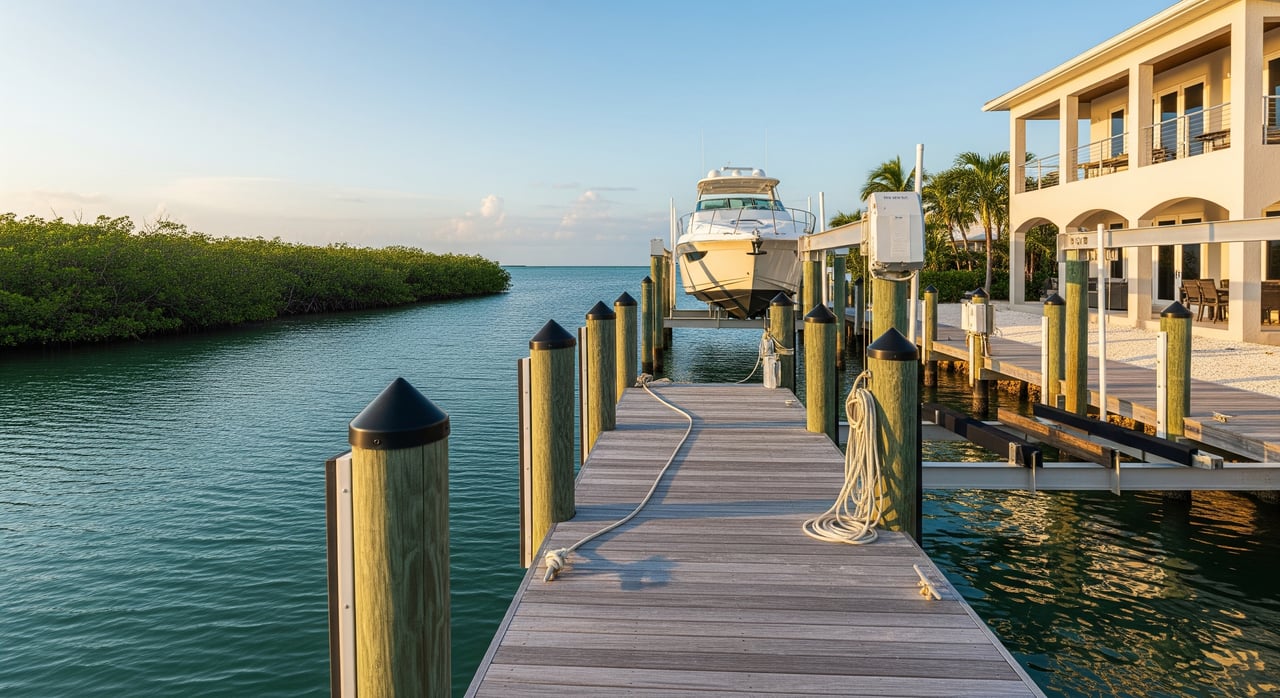
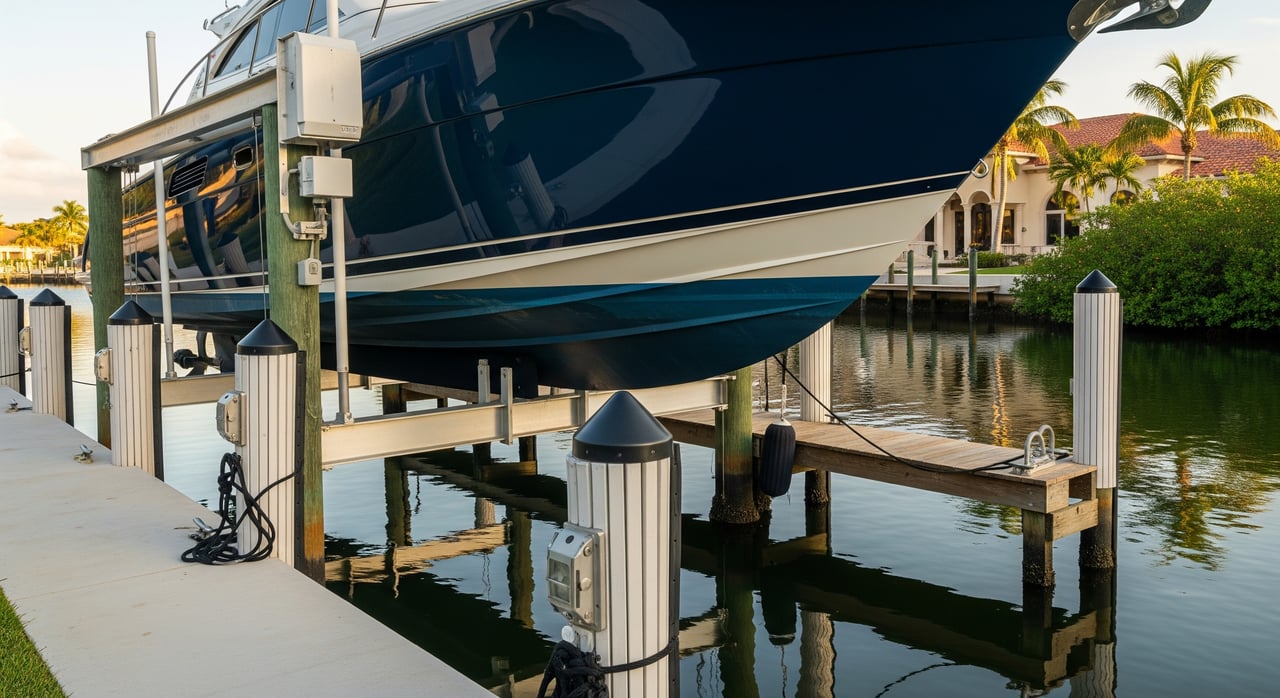
If your Naples Cay property includes a slip, lift, or access to a community marina, plan for both routine care and periodic big-ticket work. Responsibility for seawalls, docks, and lifts depends on governing documents. In single-family settings, the owner is often responsible. In condo communities, these items may be common elements funded through dues and reserves.
Routine work includes inspections, minor hardware replacement, marine-rated electrical checks, and lift service. Salt air, tides, and storm events accelerate wear. Over time, pilings, decking, and lift components need repair or replacement. Larger projects such as seawall or full dock replacement require permits from state and county agencies. For guidance on coastal construction rules, review the Florida Department of Environmental Protection’s coastal management resources so you understand permit pathways and timelines before committing to a project.
Project costs vary by length of seawall, dock size, materials, access for cranes or barges, and environmental requirements such as turbidity control. Ask sellers for recent inspection reports, repair invoices, and permit history. If you plan to keep a boat on site, factor in marine insurance for the vessel and any slip or lift liability requirements.
Utilities and services to budget
Electricity is a meaningful line item in coastal homes and condos due to A/C, dehumidifiers, pool equipment, and lift motors. Review current rates and service options with Florida Power & Light so you can estimate usage and set up alerts or smart controls. If you will be away seasonally, program humidity control to protect interiors without overcooling.
Water, sewer, and trash services are typically handled by Collier County Public Utilities or the community association. Check whether your address is on county sewer or a private system, and confirm how irrigation is billed if reclaimed water is used. For details on service areas and billing, start with Collier County’s public utilities page.
Plan on recurring contracts as part of waterfront living. Common services include pool care, landscaping and irrigation, pest management, and periodic mold or moisture checks. If you are an absentee owner, a local property manager who can perform storm prep, vendor coordination, and post-storm inspections is a smart add.
Storm planning and long-term trends
Naples sits in a hurricane-exposed region. Each year, you should budget for storm preparations like shutter maintenance, pre-storm marina plans, and possible haul-outs or boat relocation. After storms, emergency contractor availability can be tight, and rates often rise. Maintaining relationships with local vendors can speed up response times when you need them most.
Longer term, sea-level rise and coastal flooding trends shape maintenance and insurance costs. NOAA’s Sea Level Rise Viewer provides context on future risk so you can plan upgrades and reserves with a long horizon in mind. As maps and market conditions evolve, lenders and insurers may adjust requirements, which can affect both premiums and out-of-pocket costs at renewal.
Build a realistic annual budget
A simple way to start is to group costs by frequency and set aside reserves for big items. Many owners use a rule of thumb of 1 to 4 percent of home value per year for maintenance and repairs, with waterfront homes trending toward the higher end due to marine exposure. For perspective on coastal maintenance practices, the University of Florida’s IFAS Extension library is a helpful resource on materials, lifecycles, and best practices.
Consider this checklist when you build your plan:
- Fixed monthly items:
- HOA or condo dues
- Electricity, water, sewer, trash, internet
- Property management if absentee
- Seasonal or quarterly services:
- Pool care and equipment checks
- Landscaping and irrigation service
- Pest control
- Annual items:
- Homeowners insurance premium
- Flood insurance premium and boat insurance
- Property taxes and any non-ad valorem assessments
- Dock and lift inspection service
- Multi-year reserves:
- Seawall inspection and major repair fund
- Dock replacement fund
- Lift replacement fund
- Contingency for storm prep and emergency repairs
The key is to pair this framework with real quotes. Ask for recent utility bills and insurance information, and get vendor estimates before your inspection period ends.
Due diligence steps for Naples Cay buyers
Your goal is to verify who pays for what, how often, and how much. Use this punch list as you evaluate a specific property:
- Association financials and rules:
- Current budget, latest reserve study, and last two to three years of meeting minutes
- History of special assessments and any pending projects affecting roofs, seawalls, or docks
- Rules for slip assignment, guest slips, repair responsibilities, and rental policies
- For statutory rights and disclosures, review Florida’s Chapters 718 and 720 on the Legislature site
- Insurance and flood:
- Sample homeowners and flood quotes, plus an elevation certificate
- Written details on hurricane deductible terms and examples of out-of-pocket scenarios
- FEMA flood insurance guidance to understand coverage basics
- Property taxes and permits:
- Check the Collier County Property Appraiser for assessed values, millage, and historic trends
- Verify past permits and compliance for any shoreline or dock work through county channels
- Shoreline and marina infrastructure:
- Recent inspection reports and invoices for seawall, docks, and lifts
- FDEP coastal management guidance to understand permit requirements for future projects
When you organize these documents up front, you can model a realistic annual carry and avoid surprises after closing.
Local service ecosystem you will use
- Marine contractors and dock builders for inspections, repairs, and lift service
- Marine electricians for shore power and GFCI systems
- Structural or seawall engineers when you are planning major shoreline work
- Marina operators and slip managers if your community has shared facilities
- Property managers or caretakers for storm prep and seasonal oversight
- Pool, landscaping, and pest control companies with coastal experience
Always confirm licensing and insurance coverage, especially for vendors working over water or operating heavy equipment.
Ready to explore Naples Cay with clear eyes and a confident plan? You bring the vision. We will help you model the costs and line up the right team so your waterfront lifestyle fits your budget.
If you want a local guide who understands both the lifestyle and the numbers, connect with Chuck Shepherd to map out your Naples Cay options.
FAQs
What are typical condo dues in Naples Cay waterfront buildings?
- Dues vary by building and amenities. Review the association’s current budget, reserve study, and recent minutes to see what is covered and whether docks or shoreline items are common elements under Florida’s condo rules.
Do I need flood insurance for a Naples Cay condo or home near the Gulf?
- Lenders usually require flood insurance if the property is in a FEMA special flood hazard area. Check the exact flood zone, obtain an elevation certificate, and review FEMA’s flood insurance guidance before you buy.
How do hurricane deductibles affect my out-of-pocket costs?
- Many Florida policies use a percentage hurricane deductible tied to the insured value, which can mean a large expense after a named storm. Compare options and review guidance from the Florida Office of Insurance Regulation.
Who pays for seawall or dock repairs in a Naples Cay community?
- It depends on the governing documents. Some associations own and fund common seawalls or docks through dues and reserves. In other cases, owners are responsible. Request recorded rules, recent inspection reports, and project history.
What utilities should I expect to set up in Collier County?
- Plan for electricity through Florida Power & Light and water, sewer, and trash through Collier County Public Utilities or your association. Ask for recent bills to estimate monthly carry.
How much should I budget annually for maintenance on the water?
- A common guideline is 1 to 4 percent of home value each year, with waterfront homes trending higher due to salt, humidity, and specialized systems. Pair this with vendor quotes and a separate reserve for docks and seawalls.