Shopping for a Captiva home and wondering whether Intracoastal or Gulf access fits your boating life? You are not alone. The right water access can shape your day-to-day routine, your dock design, and even your insurance plan. In this guide, you will learn how each option works, what it means for your property, and how to choose with confidence. Let’s dive in.
Captiva boating map: ICW vs Gulf
Captiva sits between Pine Island Sound and the Gulf of Mexico, so you can run protected channels inside or head out through nearby passes to open water. Inside routes follow marked channels across Pine Island Sound, part of the Intracoastal Waterway. Conditions shift with storms and seasons, so review current charts and notices before you go. Start with the NOAA Office of Coast Survey nautical charts and the U.S. Coast Guard’s Local Notice to Mariners.
Boating rules, manatee zones, and safety standards are enforced locally. Before your first run, confirm posted speed and no-wake areas with the Florida Fish and Wildlife Conservation Commission’s boating regulations. During hurricane season, monitor forecasts and planning guidance from the National Hurricane Center.
Intracoastal access: calm, connected
What it is
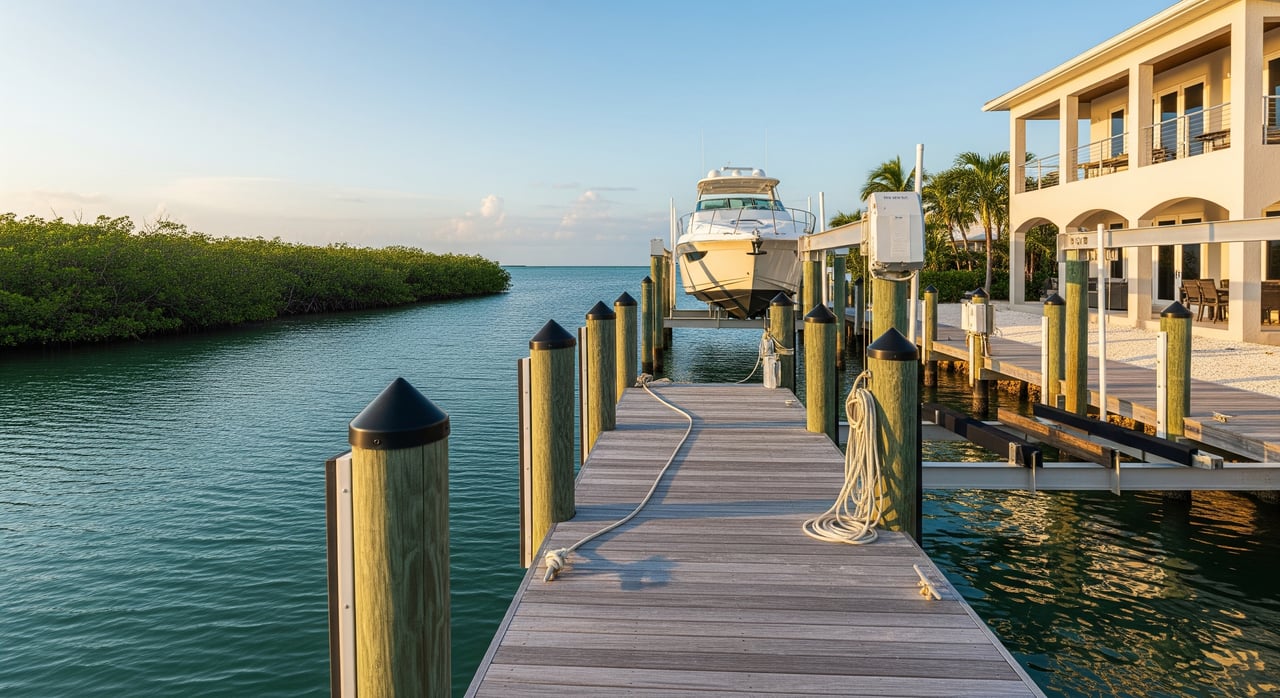
Intracoastal access means you primarily travel in the protected channels and bays of Pine Island Sound. Water is usually calmer with shorter open-water stretches. Channels are marked, but they can be narrow with shallow flats, oyster bars, and turtle beds nearby. Shoaling and markers can change after storms, so keep your charts up to date.
Typical routes and uses
Intracoastal runs are great for island-hopping, inshore fishing, shelling, and easy day cruising. You can reach Captiva and Sanibel marinas, Pine Island and Matlacha, and head north toward Charlotte Harbor without long open-Gulf runs. This suits bay boats, flats boats, smaller center consoles, and paddle craft.
Daily convenience and draft
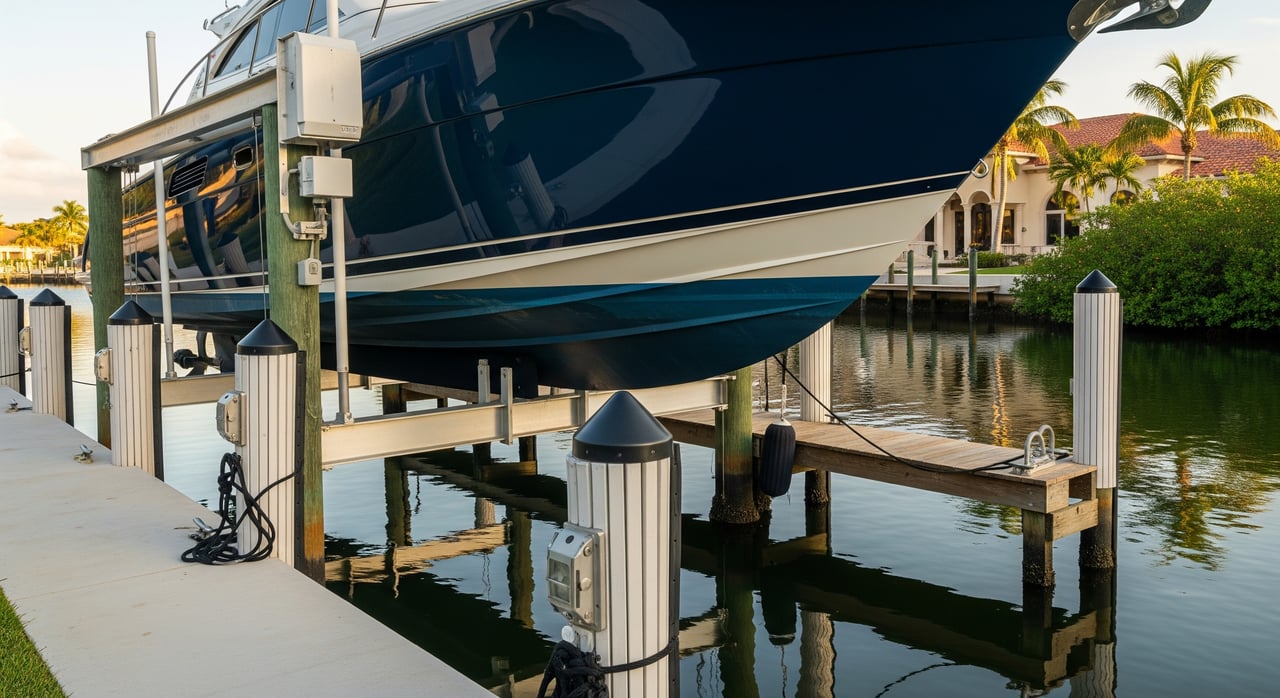
If you like casual, weather-dependent outings, the Intracoastal keeps things simple. Many private docks on the bay side are in shallower water, so draft matters. Check mean low water depth at your dock and along the approach channel. A lift may be the best option for skinnier water and to protect your hull between trips.
Gulf access: speed to open water
What it is
Gulf access takes you out through nearby inlet passes to the open Gulf. Passes can run strong with tidal currents and shifting sandbars. Once outside, you will encounter swell and wind-driven seas. Conditions are more dynamic than the ICW, so timing and weather windows matter.
When and why to go Gulf
You will choose Gulf routes for offshore fishing grounds, longer coastal hops, or faster runs to open-water destinations. Most owners use larger, offshore-capable hulls with deeper V profiles, higher freeboard, and robust safety and navigation gear.
Planning, weather, and insurance
Plan your pass transit with tide and current in mind, and seek local knowledge if you are new to the area. Review safety guidance from the U.S. Coast Guard and check weather before every trip. Some insurers treat Gulf-exposed docks differently than bay-side docks, so factor that into long-term costs and underwriting requirements.
Marinas, fuel, and dining by boat
You will find a mix of resort marinas, public facilities, and private community docks in the Captiva and Sanibel area. Many offer fuel, pump-outs, transient slips, on-site or nearby dining, and basic repairs. Not every facility carries both gas and diesel, and hours can be seasonal.
For the latest slip availability, fuel types, and guest policies, call marinas directly and use trusted directories such as BoatUS marina listings, ActiveCaptain, and Dockwa. After storm events or during peak holidays, confirm services in advance.
What access means for your property
Depth, orientation, and dock type
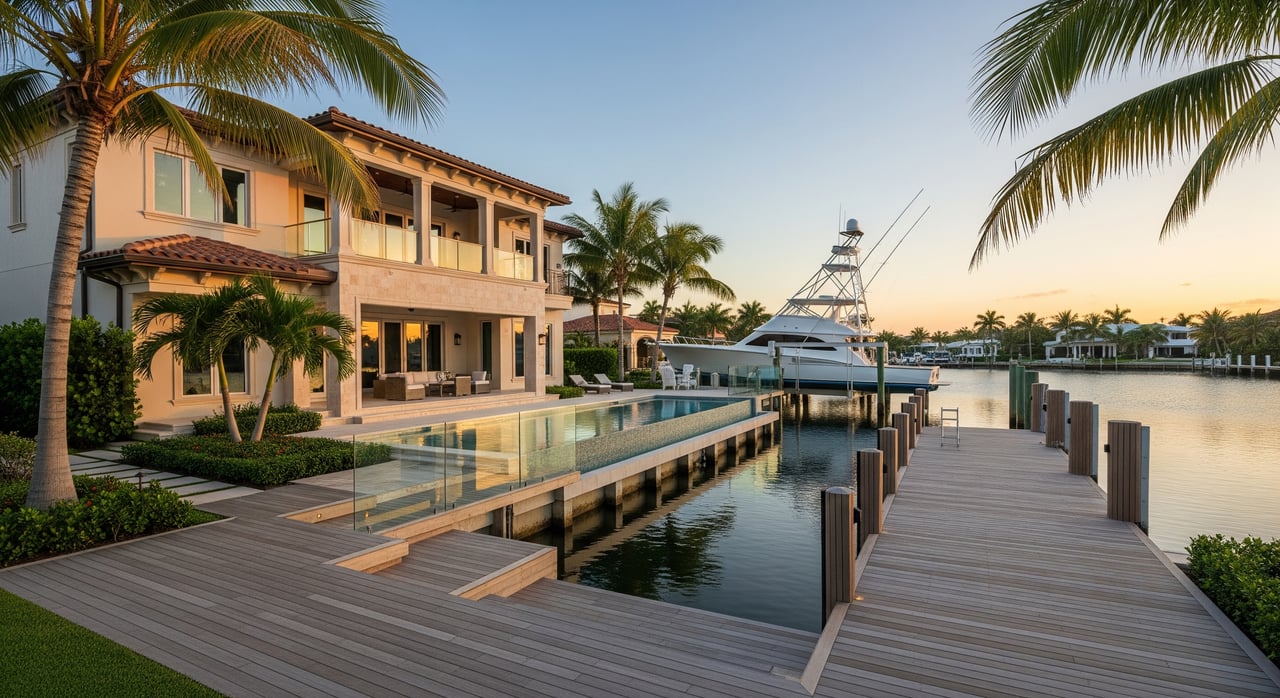
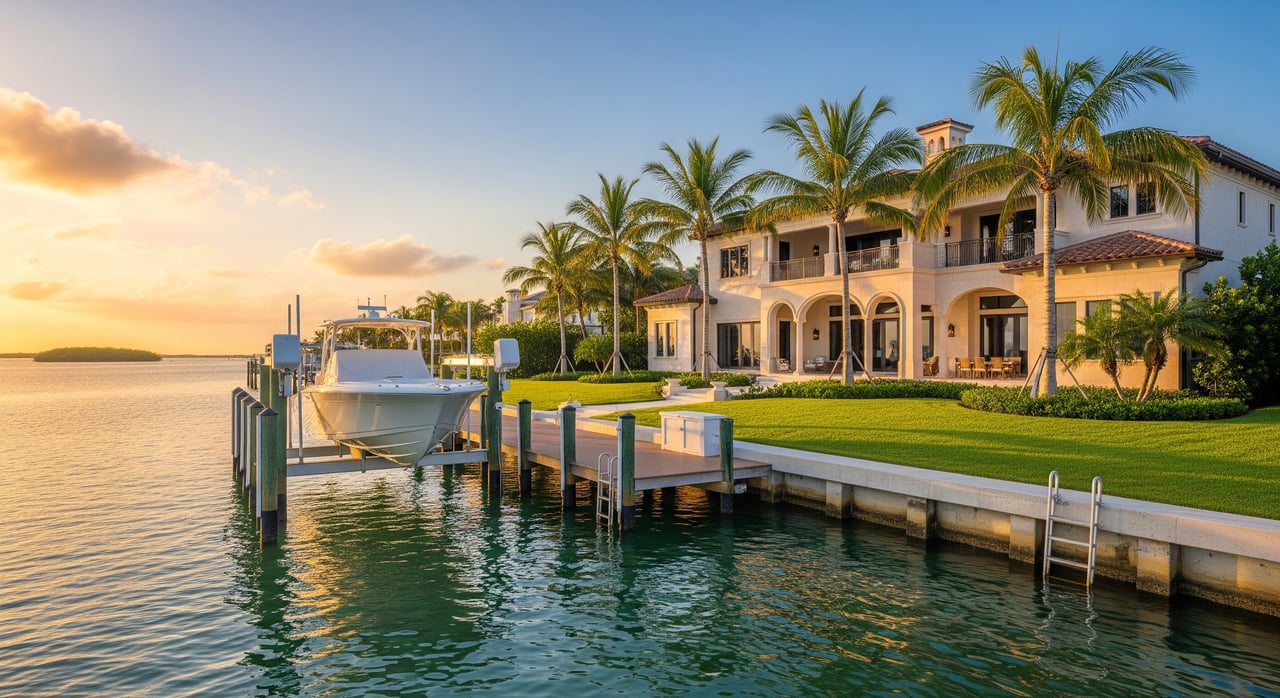
Depth at your dock and along the approach channel is critical. Homes marketed with “Gulf access” often require deeper channel depths and more robust dock construction due to exposure. Sheltered ICW-facing docks see less wave action but may be shallower. Choose between a boatlift, fixed dock, or floating dock based on depth, vessel size, and local code.
Permits and environmental rules
Dock building or modification typically needs county permits, and some projects require state or federal approvals. Start with Lee County’s planning and permitting portal at the Department of Community Development. For environmental reviews, see the Florida Department of Environmental Protection. Certain sites fall under submerged lands and seagrass protections that can affect piling placement, dredging, or ramp designs.
Insurance and hurricane planning
Gulf-exposed docks can influence property and boat insurance pricing and standards. Ask carriers how exposure, elevation, and dock construction affect coverage. Many owners use hurricane plans that include a haul-out arrangement or pre-positioning a trailer on the mainland. Monitor the National Hurricane Center during the June 1 to November 30 season.
Everyday convenience and resale
If you picture relaxed afternoon cruises and short adventures, an Intracoastal-facing home may fit your pace and budget. If you value direct, quick access to offshore grounds, a Gulf-exposed property can be worth the added infrastructure and upkeep. For resale, sheltered day-boating convenience appeals to a broad audience, while serious anglers often seek faster Gulf runs.
Buyer checklist: verify before you buy
- Confirm mean low water depth at the dock and along the approach channel.
- Ask the seller for existing dock permits and any prior approvals or variance records.
- Review HOA or community rules on docking, lifts, guest use, and rentals.
- Call local marinas about hurricane plans, haul-out options, and transient slip policies.
- Get insurance quotes that reflect the dock’s exposure, ICW vs Gulf.
- Speak with a harbormaster or marine contractor about shoaling, dredging history, and best dock type for your site.
- Check current charts and Local Notices to Mariners for pass conditions and channel changes.
How to choose your best fit
Start with your boat, your crew, and your favorite days on the water. If most outings are relaxed cruises, inshore fishing, and restaurant stops, Intracoastal access will likely make boating easy and frequent. If your plans center on offshore runs and longer trips, prioritize Gulf-oriented routes and a dock built for exposure.
If you want a second opinion or local insight on specific streets, channels, or communities, reach out. As a waterfront specialist who lives the lifestyle, I can help you weigh the tradeoffs and find a property that suits how you actually boat. To explore Captiva and Sanibel options that match your on‑water goals, connect with Chuck Shepherd.
FAQs
What is Intracoastal boating around Captiva?
- It is protected travel through Pine Island Sound channels with calmer water, marked routes, and shallow areas that favor bay boats, flats boats, and smaller center consoles.
Is Gulf pass travel safe for new boaters?
- Passes can be challenging due to currents and shifting sandbars; run with an experienced skipper, time your transit for favorable tides, and review USCG safety guidance.
How deep should my Captiva dock be?
- Match mean low water depth to your boat’s draft plus prop or engine clearance; verify with a marine contractor or harbormaster before you buy.
Do I need permits to add a boatlift?
- Most dock or lift work needs county permits and may require state review; start with Lee County DCD and the Florida DEP for environmental guidance.
Where can I find fuel and guest slips by boat?
- Call marinas directly and cross-check directories like BoatUS, ActiveCaptain, or Dockwa for current fuel types, hours, and reservations.
When is hurricane season for Captiva boaters?
- Hurricane season runs June 1 to November 30; monitor forecasts and planning tips from the National Hurricane Center.