Torn between Sanibel’s wide-open Gulf beaches and the calm, mangrove-lined bays? You are not alone. Each side of the island delivers a distinct pace, set of activities, and a few practical rules that shape daily life. In this guide, you will compare views, access to boating and beaches, conservation rules, and property logistics so you can decide what fits your lifestyle best. Let’s dive in.
Quick orientation to Sanibel’s waters
Sanibel has two main waterfront experiences: Gulf-facing beachfront on the open Gulf of Mexico, and bayfront or canal living along Pine Island Sound and San Carlos Bay. The island’s shape and southern exposure help the Gulf beaches collect shells in remarkable numbers, a signature of Sanibel life that many people come here to enjoy. The Sanibel-Captiva Conservation Foundation highlights how this unique orientation fuels world-class shelling and coastal ecology on the island’s seaward edge. You can learn more about the conservation context in SCCF’s overview of the sanctuary islands’ coastal systems and stewardship programs at their site’s community article.
Views and daily rhythm
Gulffront sunsets and horizon
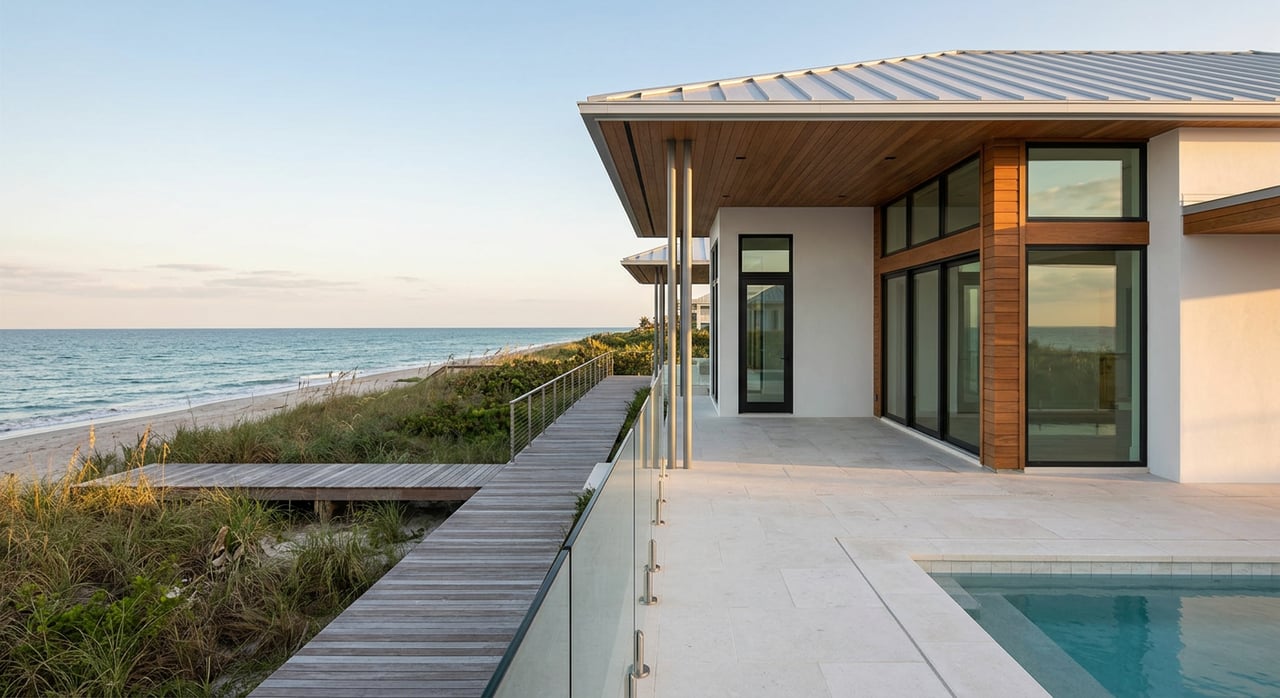
If you want big-sky sunsets over open water, the Gulf side is unmatched. Your foreground is beach and dunes, and your evenings often end with a walk at dusk or a quiet patio moment facing the horizon. It feels open and beach-centric, with the surf as your backdrop.
Bayfront calm and wildlife
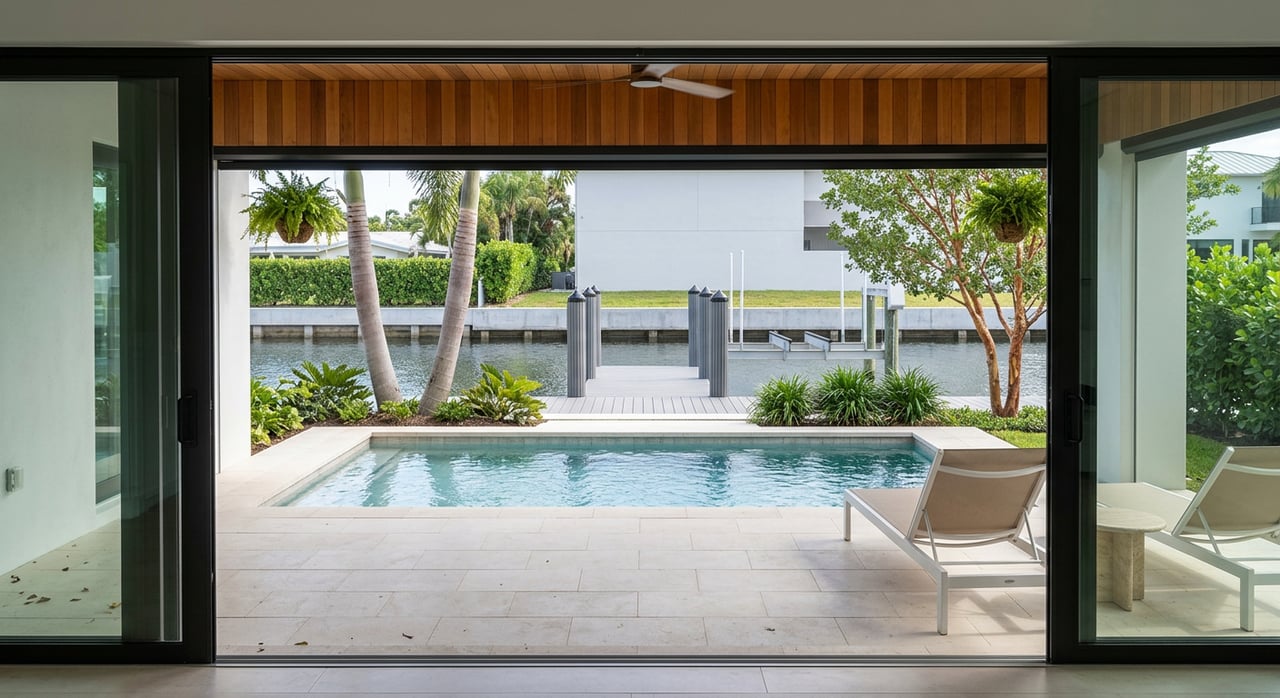
Bayfront views stretch across tidal flats and mangrove islets toward Pine Island Sound. You may still catch a sunset, but it is often framed by mangrove silhouettes and low islands. Expect a quieter feel and frequent wildlife sightings, with dolphins, manatees, and wading birds more common near back-bay waters. Local outfitters showcase the area’s paddling and wildlife experiences, and you can preview that vibe through the programs featured by Port Sanibel Marina.
Beach time and shelling
Gulf beaches for classic shelling
Sanibel’s shelling reputation is built on its Gulf beaches. If daily beach walks and the “Sanibel stoop” are at the top of your list, living on or near the Gulf makes it easy to time low-tide strolls and post-storm treasure hunts. The Chamber’s practical tips for timing and locations can help you plan smarter shelling days on the Gulf side. Explore their guidance on Sanibel shelling best spots and timing.
Bay edges and passes
Back-bay shorelines and passes can also produce great finds, especially after weather events. Still, the classic, long shelling stretches sit on the Gulf-facing beaches. For a deeper dive into why Sanibel piles up so many shells, and how conservation ties into beach etiquette, see SCCF’s perspective in this community article.
Boating and watersports
Everyday boating convenience
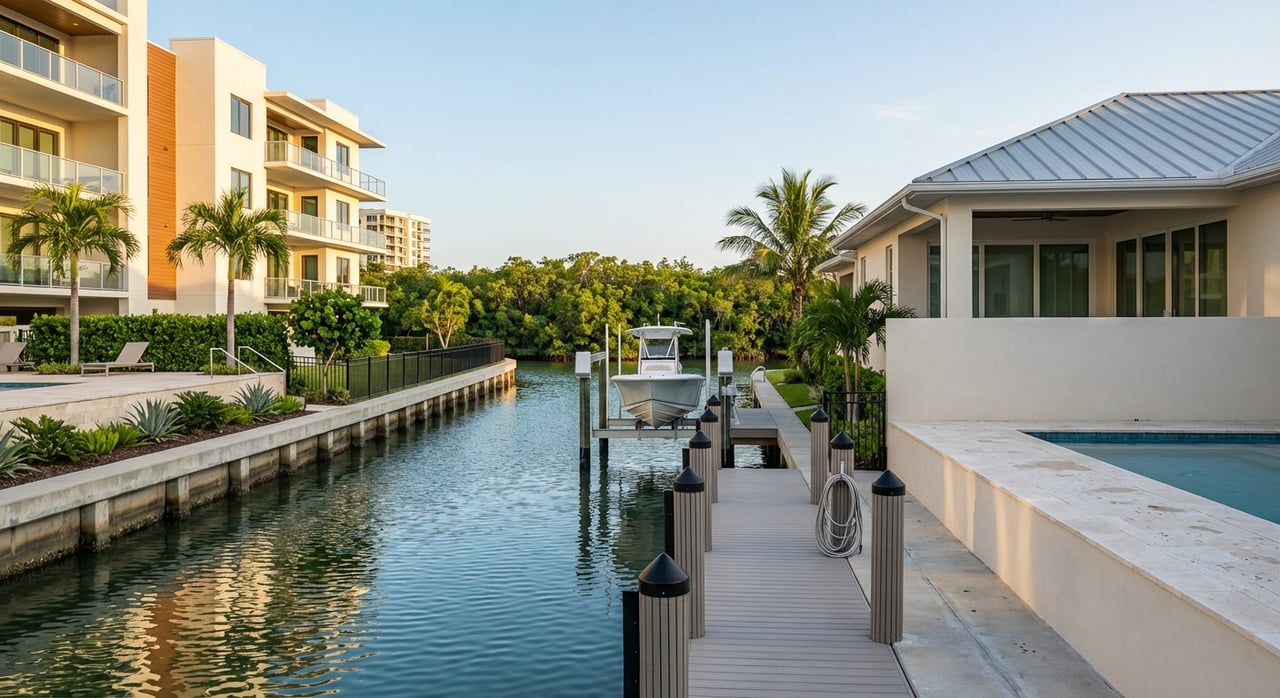
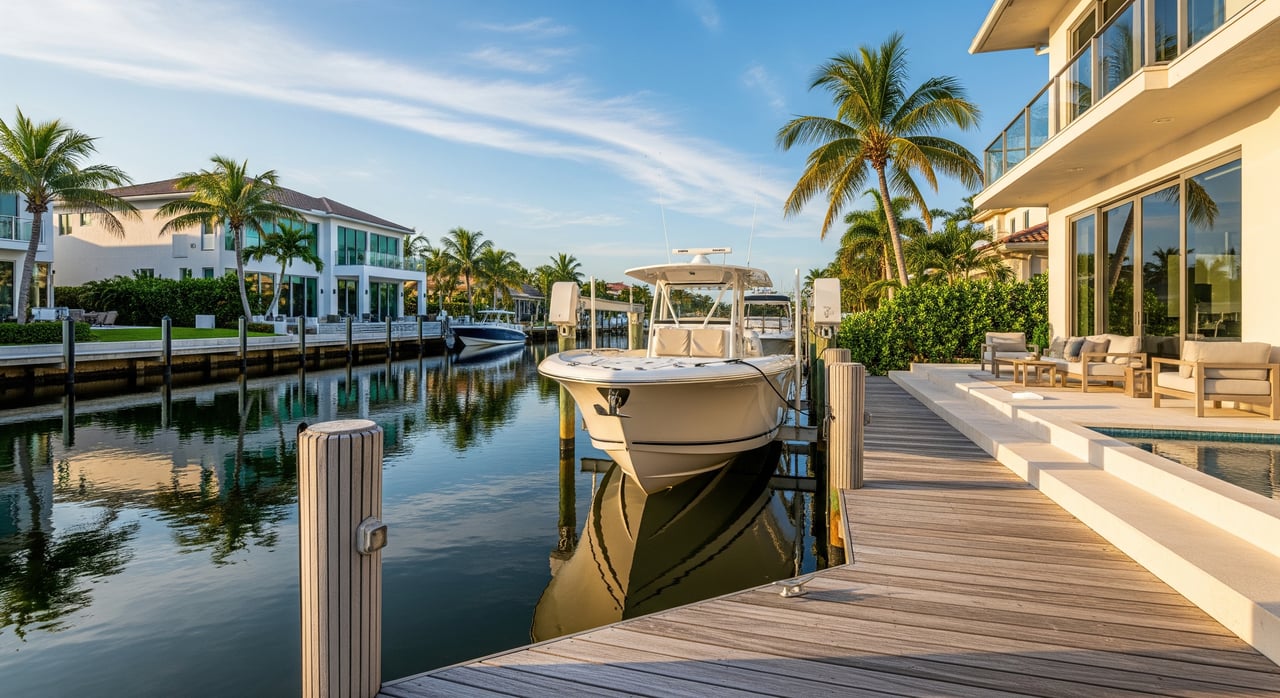
If daily boating is your priority, bayfront or canal living usually wins. Many back-bay and canal properties have seawalls and docks where permitted, and they offer sheltered routes to Pine Island Sound and the Intracoastal channels. That means easier inshore fishing, kayak launches, and island-hopping without crossing exposed Gulf bars. Island residents who do not have a private dock often lean on marinas and the City’s public launch. You can confirm public access options at the Sanibel Boat Ramp information page.
Gulffront and marina solutions
Gulf-beachfront homes rarely offer deep-water docks due to shifting sandbars, higher wave energy, and shoreline protections. Many Gulf-side owners keep their boats at nearby marinas or on the mainland and use charters or water taxis for certain outings. For services, rentals, and slips that serve Sanibel residents, explore providers like Port Sanibel Marina.
Swimming and water conditions
Gulf beaches deliver more wave energy, open-water swimming, and a classic sun-and-surf vibe. You will find calmer water on the bay side, which is ideal for kayaking, paddleboarding, and wading. Families who prioritize easy paddling and gentler entries often prefer back-bay access points, while beach walkers and swimmers gravitate to the Gulf.
Conservation and local rules
Turtle-friendly lighting near beaches
Sanibel takes dark-sky and sea-turtle protection seriously. If you buy near the beach, expect rules that govern outdoor lighting, window tinting, and fixtures during turtle season and year-round. Many changes within beach overlay zones require permits. Review the City’s requirements in the Outdoor Lighting Guide for Residents.
Shelling etiquette and wildlife
Island culture encourages responsible shelling and wildlife awareness. That includes leaving live animals in their shells and respecting posted closures for shorebirds and turtles. For family-friendly education and field programs, the Bailey-Matthews National Shell Museum hosts walks and identification workshops. See current offerings on their Learn & Experience page.
Property logistics and resilience
Docks, seawalls, and permits
Back-bay and canal parcels frequently have seawalls and docks, but every site is unique. Shoreline hardening and new dock or lift installations can require environmental review and City permits. On the Gulf side, beaches and dunes are managed to protect natural processes and wildlife, which can limit certain structures. Plan to verify any seawall, dock, or lift expectations early in your search.
Flood zones and insurance
Sanibel includes both VE and AE flood zones, and exact designations vary by parcel. Gulf-exposed properties are often in higher-hazard coastal velocity zones, which can influence building requirements and insurance. Before you make an offer, review the parcel’s FEMA Flood Insurance Rate Map and any elevation certificate. Lee County hosts the relevant FIRM panels; you can view a sample panel here.
Storm history and access
Hurricane Ian in 2022 was a reminder that barrier-island living includes surge, erosion, and infrastructure risk. Gulf-facing areas see more direct wave action, while back-bay properties can still experience significant flooding. The Sanibel Causeway is the island’s road lifeline, and post-storm repairs became a major project. For context on the recovery and infrastructure work, see reporting on causeway and regional repair projects.
Utilities and daily services
Sanibel has worked to expand central sewer service, reducing the number of septic systems over time. This matters for maintenance, permitting, and everyday reliability. For planning background and system expansion context, review the City’s documents in the Wastewater Master Plan materials. Everyday services cluster along Periwinkle Way in central Sanibel, so west-end Gulf stretches can feel more remote from shops and restaurants.
Which side fits you?
- Choose Gulffront or near-Gulf access if you live for long beach walks, open-water sunsets, and the classic Sanibel shelling experience. Expect more wind and wave exposure, plus stricter lighting and dune-protection rules.
- Choose bayfront or a navigable canal if daily boating, wildlife watching, and calm-water paddling are your priorities. Expect mangrove-framed views, site-specific dock and seawall permitting, and quick access to marinas and Intracoastal routes.
If you want help weighing specific homes, permits, and flood panels, connect with a local advisor who lives the waterfront lifestyle. For a personal walkthrough of neighborhoods, dock options, and beach access, reach out to Chuck Shepherd.
FAQs
Which side is best for shelling on Sanibel?
- The Gulf beaches are the primary shelling draw, especially around low tide and after storms; see practical tips from the Chamber on Sanibel shelling.
Can I dock a 30–40 foot boat at a Gulf beachfront home on Sanibel?
- It is not typical due to surf, sandbars, and shoreline protections; most Gulf-front owners use back-bay marinas or mainland slips such as services offered by Port Sanibel Marina.
Do Sanibel Gulf homes have stricter outdoor lighting rules?
- Yes, beach-area overlay zones follow sea-turtle and dark-sky standards, and fixture changes often need permits; see the City’s Outdoor Lighting Guide.
How do I check a Sanibel property’s flood risk and insurance needs?
- Review the parcel’s FEMA FIRM panel and any elevation certificate, then confirm requirements with your lender and insurer; Lee County hosts FIRM panels like this example.
What changed for access and resilience on Sanibel after Hurricane Ian?
- Ian underscored surge and infrastructure risks, and the causeway saw major repair work; you can read context in reporting on regional repair projects.
Where can I launch a boat if I live Gulf-front on Sanibel?
- Many residents use the City’s public launch or nearby marinas; find details on the Sanibel Boat Ramp information page.
Are most Sanibel homes on sewer or septic, and does it differ by side?
- The City has expanded central sewer service across the island, reducing septic use; see the background and planning context in the Wastewater Master Plan materials.