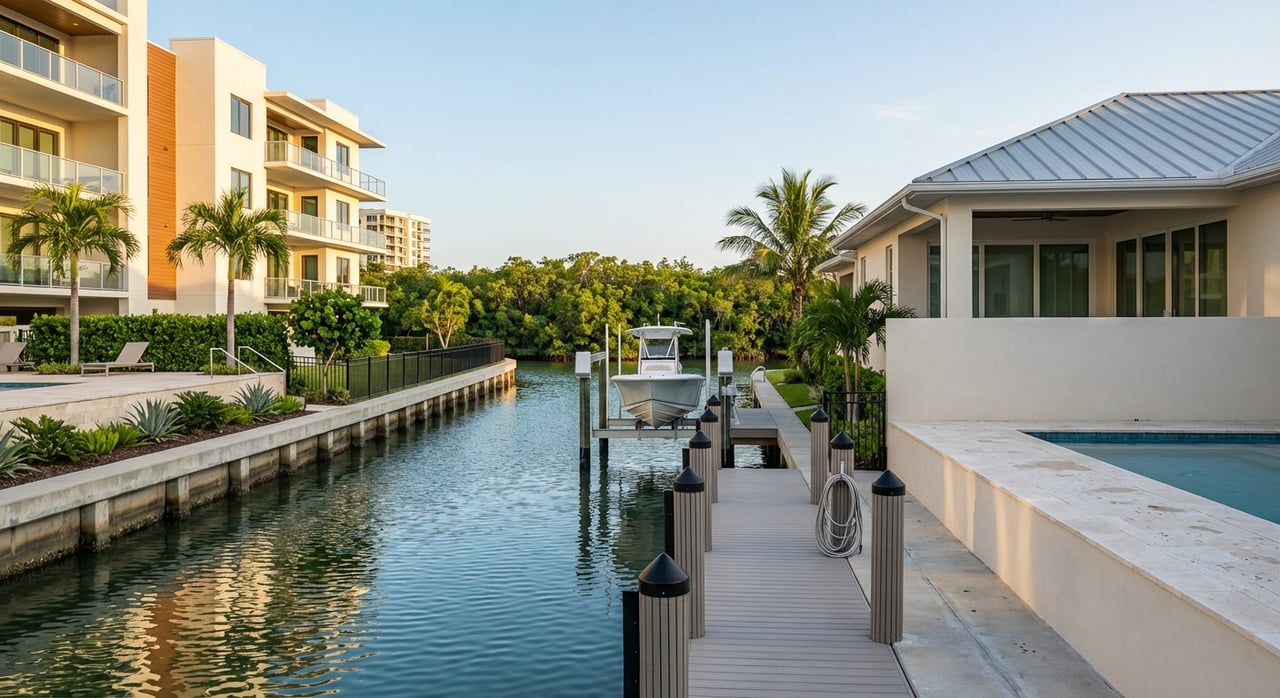
You want life on the water in Fort Myers, but should you buy a waterfront condo or a single-family home? The right choice shapes how you boat, budget, and spend your weekends. This guide breaks down the tradeoffs in clear, local terms so you can match your lifestyle with the best property type. You will learn how location, costs, insurance, docks, and permits affect your decision. Let’s dive in.
How location shapes boating
Fort Myers offers several waterfront corridors, each with different boating and lifestyle factors. Understanding water depth, channel access, and exposure helps you choose the right fit.
Caloosahatchee River and Downtown
High-rise and mid-rise riverfront condos cluster around the River District. You get walkable access to dining and parks plus deep-water access without yard work. If you want minimal exterior maintenance and city convenience, downtown riverfront living can be a strong match.
McGregor Boulevard corridor
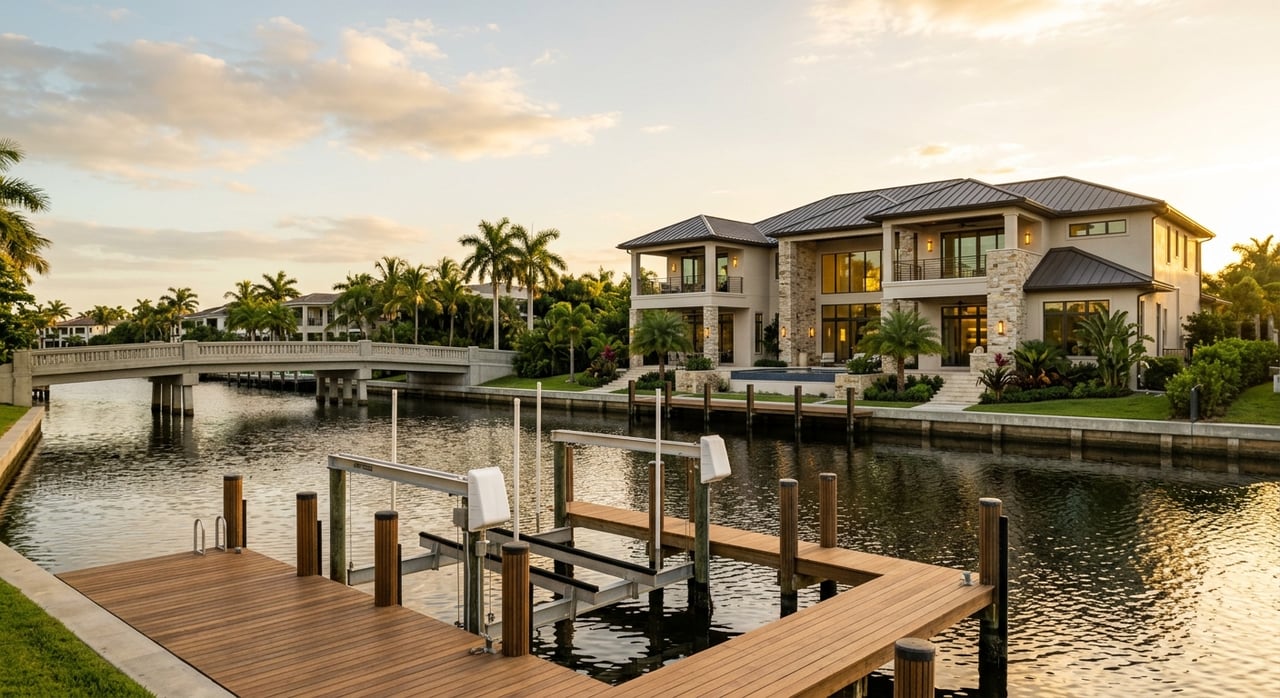
This historic riverfront stretch features single-family estates, canals, and private docks. It suits buyers who want a yard, more privacy, and direct control over their moorage. If a private dock and personal outdoor space top your list, this corridor deserves a look.
Estero Bay, San Carlos Bay, and Fort Myers Beach
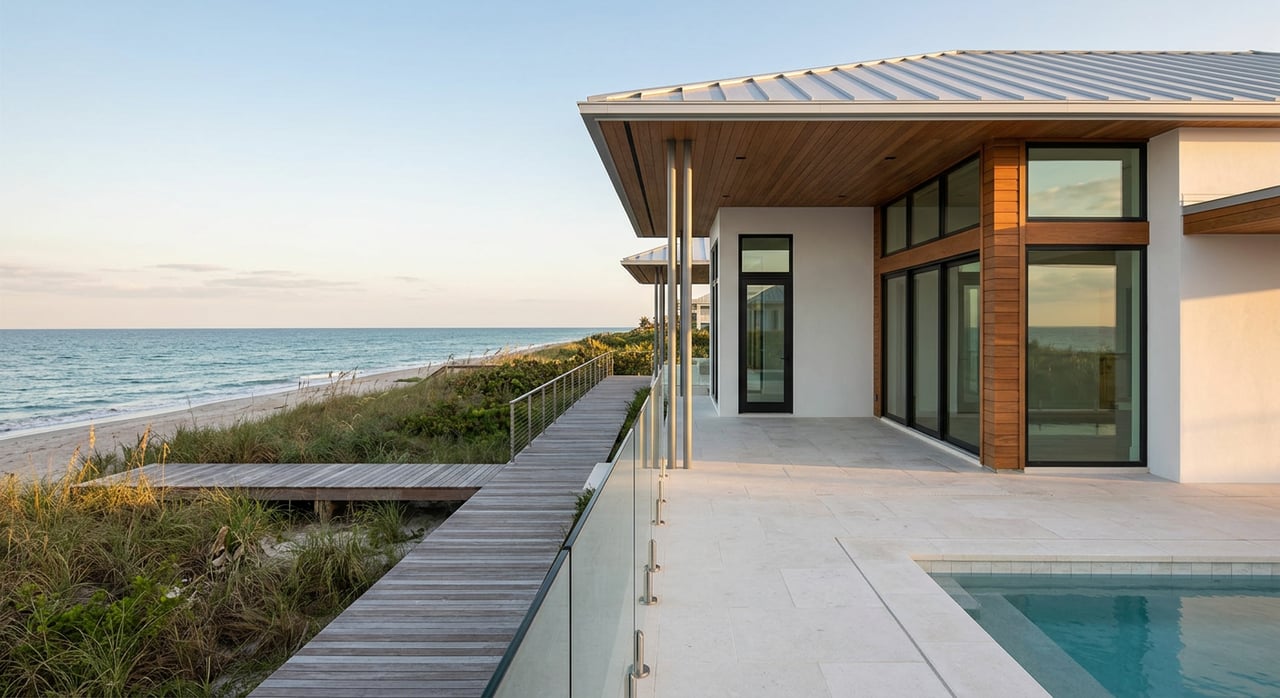
This barrier-island coast is more exposed to gulf and estuarine conditions, including wave action and surge. If your priority is open-water boating or quick gulf access, weigh surge and erosion risk carefully. For environmental context, review the state’s overview of the Estero Bay Aquatic Preserve.
Pine Island, Matlacha, and Matlacha Pass
These shallow, fishing-friendly waterways often work best for smaller boats and low-draft use. Nearby marinas provide alternatives if your canal or bay frontage is not ideal for a larger vessel. Explore regional marina options through this Southwest Florida marinas directory.
Costs you will carry
Condos shift many exterior costs to an association, while single-family homes put you in direct control of upkeep. Either way, understanding line items helps you avoid surprises.
Condo HOA fees vs. home maintenance
- Condos: Monthly or quarterly HOA fees typically cover exterior maintenance, roof, landscaping, insurance for common areas, and amenities. Florida law requires associations to maintain insurance and records for common elements and operations, which can reduce your direct exterior expenses but adds the possibility of assessments. Review the association’s insurance and records requirements under Florida Statutes Chapter 718.
- Single-family waterfront: You manage and pay for the roof, landscaping, pool if applicable, and waterfront infrastructure such as docks and seawalls. Costs vary by lot conditions, materials, and prior upkeep.
Seawalls and docks: real numbers to know
- Seawalls: Replacement costs vary widely by site and method. Regional guides place broad ranges from a few hundred to over a thousand dollars per linear foot, depending on material, access, permitting, and depth. See typical factors in this Florida seawall cost guide.
- Docks and lifts: Routine repairs are common. Replacing pilings or a boatlift can range from several hundred to several thousand dollars depending on scope. Get a sense of typical dock work from this dock building and repair overview.
Insurance and flood exposure
- Flood insurance: FEMA’s Risk Rating 2.0 prices flood coverage by specific property factors, including distance to water, elevation, and replacement cost. Waterfront premiums can differ materially from non-waterfront, so always get an address-specific quote. Learn how pricing works in FEMA’s Risk Rating 2.0 overview.
- Homeowners insurance: Florida’s market has been shifting. Carrier appetite and premiums can vary by address and construction details, especially along the water. For context on improving availability, see this update on Florida homeowners insurance trends.
- Condo association insurance: Associations carry property and liability coverage for common elements and may assess unit owners for deductibles or uncovered costs. Confirm the association’s certificate of insurance, budgets, and reserve study under Chapter 718 requirements.
Docks, marinas, and permits
Your boating plan should drive the property search. Verify what you can build or use before you fall in love with a view.
Permitting layers to expect
- Local: Lee County and cities issue Dock and Shoreline permits for docks, lifts, boathouses, seawalls, riprap, and dredging. Requirements include plan sets, setbacks, and manatee-protection conditions. Start with the county’s Dock and Shoreline Guide.
- State: The Florida Department of Environmental Protection reviews projects on state-owned submerged lands and may require authorizations or leases.
- Federal: Certain navigable water work or dredging can trigger U.S. Army Corps of Engineers permits. For a plain-language overview, review the federal permitting process.
Practical consequences for buyers
- Not every parcel is entitled to a private dock. Setbacks, neighboring docks, navigation lines, and submerged-land leases can limit what you can build. Always request a title search and the county permit history for the lot. Use the county’s Dock and Shoreline Guide to frame requests.
- Condo boat access varies. Communities may offer deeded slips, association-managed slips with waitlists, or no onsite slips with nearby marina options. If a deeded slip is essential, make that a top filter.
- Marina alternative: Renting a slip at a nearby marina is often the simplest path for larger yachts or for owners who prefer to avoid dock upkeep. Browse regional options via this marinas directory.
Condos vs. homes: which fits you best
Choose a waterfront condo if you want
- A lock-and-leave lifestyle with shared amenities like a pool, gym, and security.
- Less hands-on exterior maintenance and building system management.
- Walkable access to downtown dining or riverfront parks.
- Boat access via a deeded slip, an association-run marina, or a nearby marina rental.
Choose a single-family waterfront home if you want
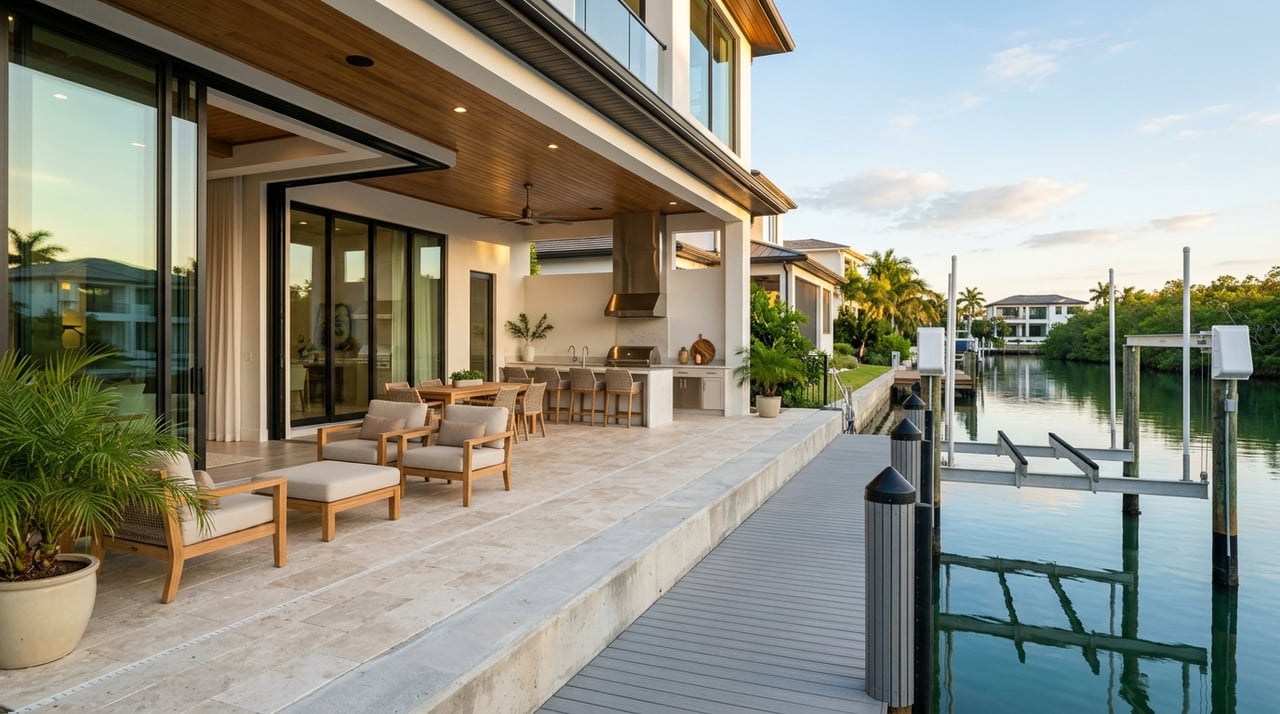
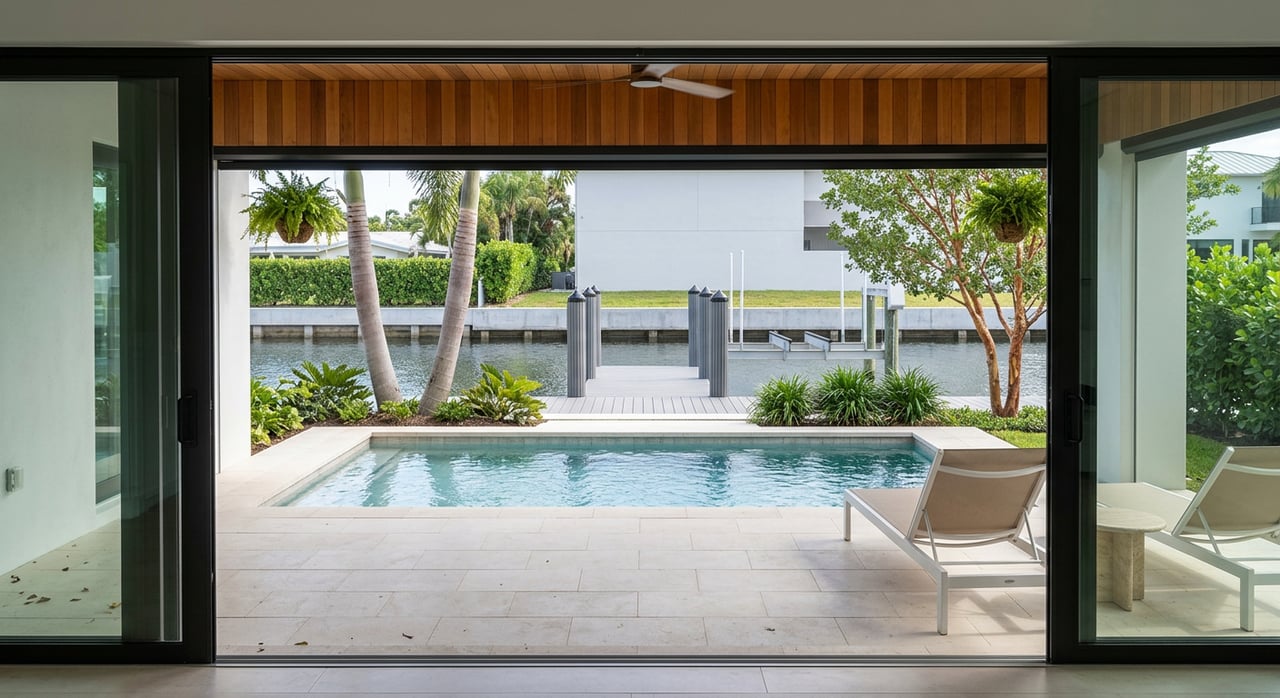
- A private dock or lift sized for your boat, with direct control of upgrades.
- More privacy, a yard, and space for outdoor living.
- Flexibility on exterior design and improvements, subject to permits.
- Willingness to manage seawall and dock upkeep, plus permitting when needed.
Due diligence checklist for any address
- Boating needs: Confirm water depth at mean low water, channel access, and recorded rights. Request dock and seawall permit history using the Dock and Shoreline Guide.
- Insurance and elevation: Get current NFIP and private flood quotes for the exact address. Order or obtain an Elevation Certificate to model premiums under Risk Rating 2.0.
- HOA/condo documents: Ask for the COI, reserve study, three years of budgets and meeting minutes, and engineering reports. Verify compliance with milestone inspections for taller buildings under Chapter 553.
- Permits and encumbrances for homes: Search recorded permits for docks, seawalls, and any submerged-lands leases. Validate permits for prior repairs with the county.
- Total cost of ownership: Compare HOA dues plus insurance and assessments against single-family costs like landscaping, seawall, dock, and homeowners insurance. Choose the path that aligns with your boating habits and maintenance preferences.
What today’s prices mean
City-wide, Fort Myers’ median sale price was about $341,500 in January 2026. Waterfront properties usually sell at a premium, but that premium varies widely by corridor, building, and lot. Your best guide is current MLS data on active and recent sales, HOA dues, and slip availability. Use this to build a side-by-side budget that compares your top condo and single-family picks.
Ready to narrow your short list?
If you are choosing between a riverfront condo with shared amenities and a canal-front home with a private dock, the right answer comes from your boating plan, risk tolerance, and appetite for maintenance. A targeted MLS search focused on slip type, water depth, exposure, HOA health, and insurance quotes will bring clarity fast. When you are ready to tour, reach out to Chuck Shepherd for concierge, Gulf-access guidance grounded in real local experience.
FAQs
What affects flood insurance for Fort Myers waterfront buyers?
- Flood premiums are address-specific under FEMA’s Risk Rating 2.0 and reflect distance to water, elevation, and replacement cost, so get quotes for the exact property and review any Elevation Certificate using FEMA’s Risk Rating 2.0 overview.
How do condo milestone inspections impact buyers of riverfront towers?
- Florida requires milestone inspections for buildings three stories or higher, and findings can trigger repairs or assessments, so verify the building’s compliance and engineering reports under Chapter 553.
Can I add a private dock to a Fort Myers canal home?
- It depends on setbacks, navigation lines, neighboring docks, and any submerged-lands leases, so review title and the county’s permit history and start with Lee County’s Dock and Shoreline Guide plus any required state or federal approvals.
What if my condo does not include a boat slip?
- Many owners lease slips through the association if available or rent at nearby marinas, which is often the simplest option for larger boats; browse options with this Southwest Florida marinas directory.
How much should I budget for seawall upkeep on a single-family lot?
- Replacement can range broadly from a few hundred to over a thousand dollars per linear foot depending on site factors, and dock and lift repairs vary by scope, so plan contingencies using this seawall cost guide and dock repair overview.