Dreaming of a place where you can land at RSW, turn the key, and be on the beach or the boat within minutes? If you are eyeing a second home near Naples Cay, you have great options that balance Gulf access with low-maintenance living. With the right community, you can enjoy resort amenities, quick runs to open water, and a simple lock-and-leave routine. This guide walks you through the best-fit property types, what “Gulf access” really means here, and the key checks that protect your time and budget. Let’s dive in.
Gulf access in Naples
In Southwest Florida, Gulf access generally means you can reach open water through a navigable route without low fixed bridges limiting your boat’s clearance, or you have quick access to marinas and ramps for easy launching. Your exact route often runs through local inlets like Gordon Pass or Wiggins Pass. Conditions such as shoaling, channel depth, and tidal timing can affect how fast and how often you get out. For current shoreline and channel mapping, review NOAA’s regional resources to align your boat’s draft with local depths and passes. You can start with NOAA’s shoreline and channel data tools for the area to confirm navigation details.
- Learn more about local shoreline and channel mapping via NOAA’s data portal: NOAA shoreline and channel resources.
Property types that fit second-home life
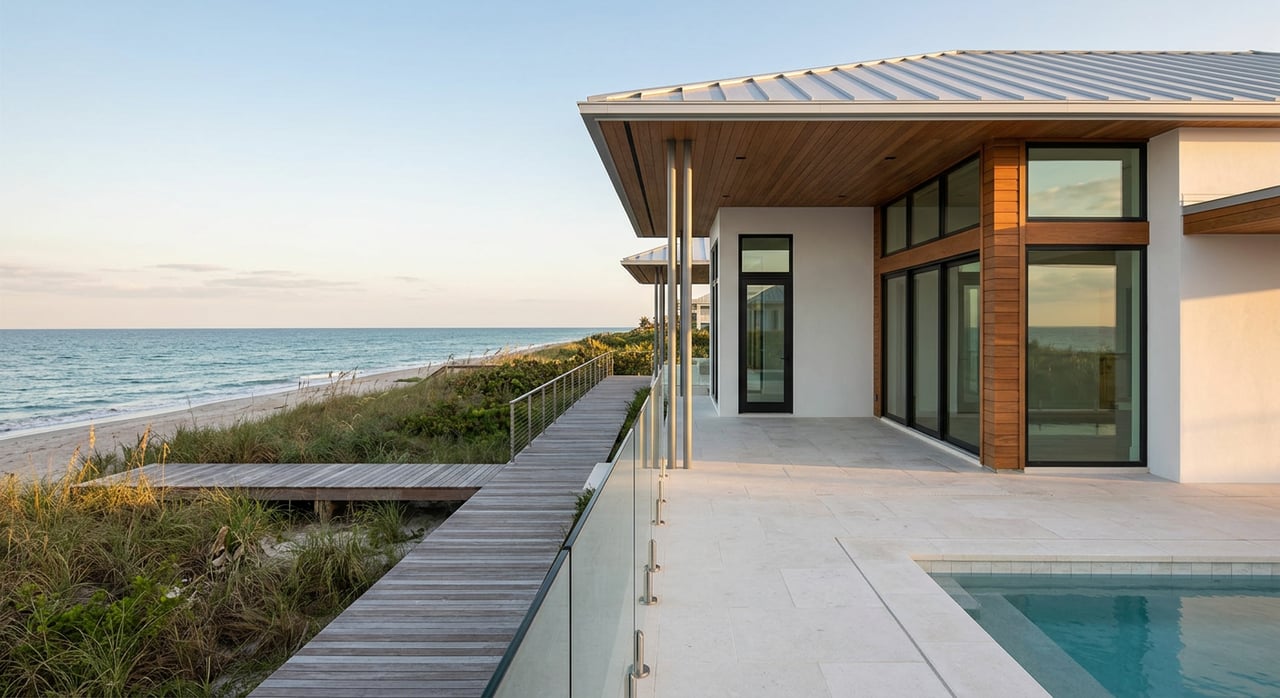
Beachfront gated condos near Naples Cay
If low upkeep is your top priority, beachfront gated condominiums like those at Naples Cay are built for it. These buildings typically offer staffed gates, resort-style amenities, and on-site or readily available concierge-style support. You can arrive, relax, and lock up with confidence when you leave.
- What to expect: shared pools, fitness, tennis, and attentive building management that simplifies maintenance.
- Boat reality: beachfront buildings favor kayaks and paddleboards, plus quick shuttles or short drives to nearby marinas. If you want a deeded deep-water slip tied to your home, confirm whether the association offers it or if there is a partner marina.
- Tradeoffs: easy lock-and-leave and strong amenities versus fewer options for private, on-site deep-water slips. HOA guidelines on pets, rentals, and renovations vary by building.
Marina-side gated communities on Naples Bay
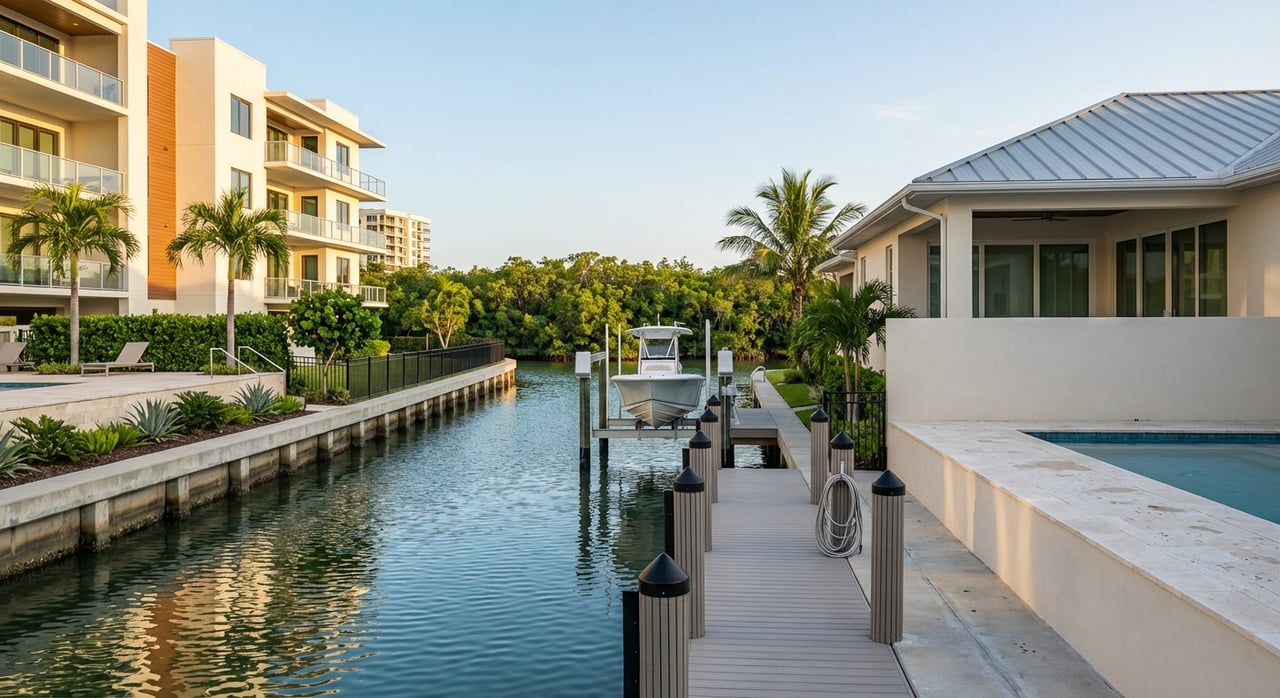
If you want your boat close and care made easy, look at marina-side gated neighborhoods on or near Naples Bay. These communities often combine condos, coach homes, or villas with a full-service marina or yacht club. On-site harbor staff, fueling, and slip management make seasonal ownership simpler.
- What to expect: managed marinas, potential access to deeded or leased slips, and a social marina hub.
- Boat reality: confirm route to the Gulf is free of low fixed bridges and ask about depth and timing to the nearest pass.
- Tradeoffs: premium pricing for slips, possible transfer rules, and separate marina dues. Always verify whether a slip is deeded real property or a lease/license.
Canal-front villas with private docks
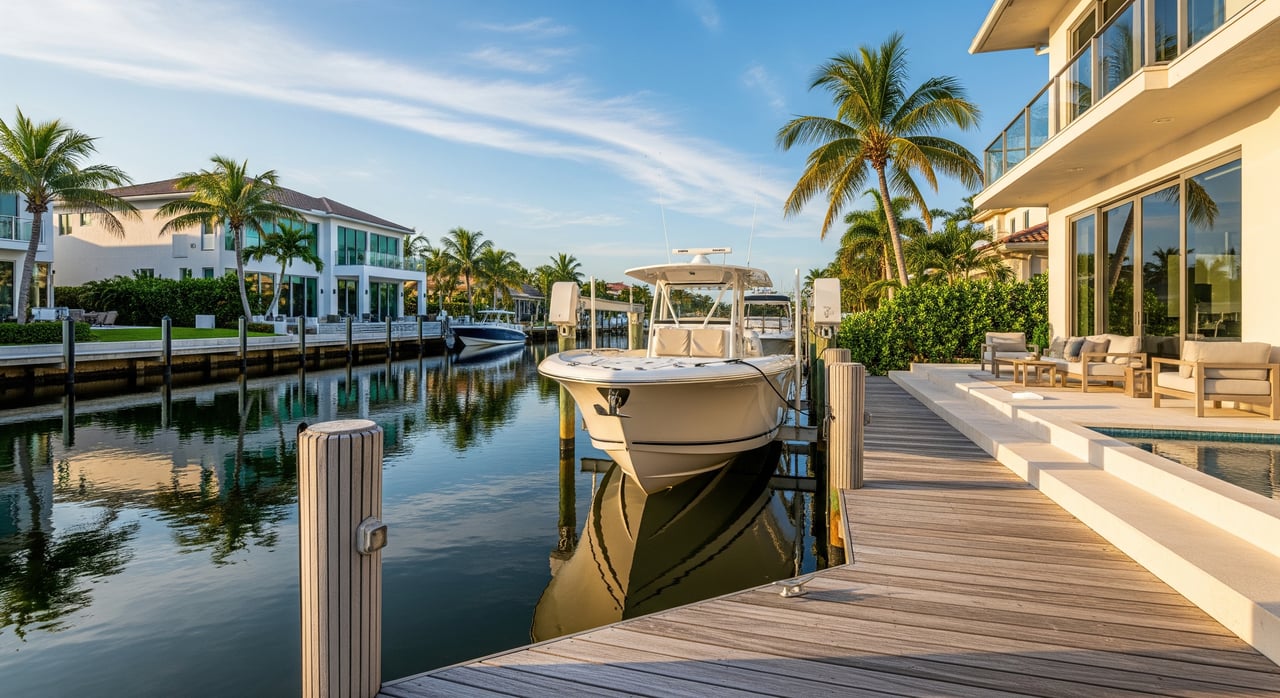
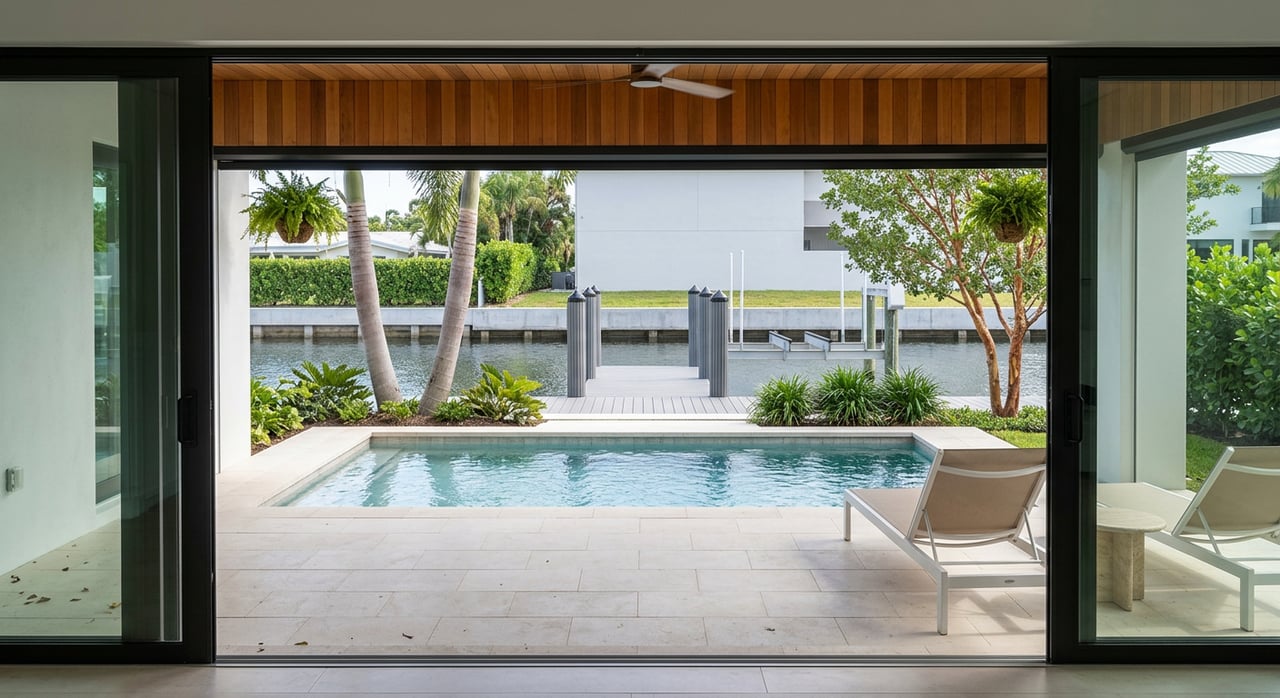
Canal-front neighborhoods like Aqualane Shores, Port Royal, and Moorings offer the most direct, private dock living. For some owners, there is nothing better than stepping from the lanai to the boat.
- What to expect: maximum control over dockage and boat size, often with the quickest line from home to water.
- Boat reality: verify seawall and dock condition, turning basin room, and route to the nearest pass.
- Tradeoffs: more hands-on maintenance, higher insurance exposure, and the need for reliable local vendors for storm prep and post-storm care.
Verify boat access before you buy
Lock-and-leave only works if your boat plan works too. Use this quick checklist and document everything with the HOA or marina in writing.
- Slip ownership. Is the slip deeded to the unit or leased/licensed? Clarify transfer rules.
- Slip size and depth. Confirm usable length, beam, and depth at mean low tide. Ask for recent soundings or dredge schedules. NOAA charts and local marina guidance can help cross-check depths: NOAA channel and depth resources.
- Bridge and air-draft limits. Verify if any fixed bridges sit between your slip and the nearest pass.
- Time and route to the Gulf. Ask the harbormaster about usual run times through Gordon Pass or Wiggins Pass, and any recent shoaling.
- Rules and services. Confirm liveaboard allowances, transient policies, storm haul-out plans, fueling, pump-out, and utilities.
Lock-and-leave features to prioritize
Your goal is a smooth arrival and an easy exit. Focus on buildings or communities with:
- Staffed gate or on-site management. Around-the-clock security and a point person for deliveries and maintenance requests.
- Practical storage and guest options. On-site storage, bike/kayak rooms, and guest suites simplify hosting and seasonal turnover.
- Strong storm readiness. Impact-rated glass or shutters, elevated utilities where feasible, and a documented hurricane plan with vendor agreements.
- Proven vendor network. An HOA-maintained list of vetted cleaners, handymen, and property managers makes life easier when you are out of town.
Rentals, permits, and taxes
If you plan to rent seasonally, confirm jurisdiction first. Properties in unincorporated Collier County are subject to the county’s short-term rental registration requirements under Ordinance No. 2021-45. The County lists the steps and documentation you will need.
- Review local registration details here: Collier County short-term rental registration.
Inside the City of Naples, rental rules can differ. The City’s published guidance explains that single-family homes in the City are generally subject to a 30-day minimum rental term, with an exception that allows up to three rentals per calendar year of less than 30 days. Association covenants may be stricter than municipal rules, so always confirm both.
- See the City’s rental FAQ: City of Naples FAQs on short-term rentals.
If you operate short-term rentals, you may also need to register and collect local Tourist Development Tax and obtain any required state licenses. Collier County’s program page is the best starting point for owners.
- Start with county guidance: Collier County rental requirements overview.
Insurance and cost picture
Budget for coastal insurance. According to the Florida Office of Insurance Regulation’s January 2025 report, the average homeowners premium in Collier County is listed at 5,604 dollars. Expect wind or hurricane deductibles and, where applicable, separate flood insurance. Quote scenarios vary by use, so ask for primary residence, seasonal, and rental-use options to compare.
- Reference data: Florida OIR Property Insurance Stability Report, Jan 2025.
Mitigation can help. Impact-rated windows and doors, roof-to-wall upgrades, and documented wind-mitigation features often reduce premiums. If the building is older, ask about required inspections such as four-point and wind-mitigation reports. For condos, review the association’s insurance summary and confirm reserves for major items like roofs, elevators, and docks.
Seasonality and operations
Naples demand peaks in the winter and early spring months, and many associations set booking minimums or specific turnover days during that period. Plan well ahead for guest calendars and manager availability. The good news: property managers and cleaning vendors are common, and the best ones offer 24/7 response, storm plans, and tax-filing experience for short-term rentals.
Quick due-diligence checklist
Use this list before you write an offer:
- Jurisdiction. Confirm City of Naples or unincorporated Collier County, then apply the correct rental rules and registration steps: Collier County rental registration and City of Naples FAQs.
- HOA documents. Request the budget, reserves, recent special-assessment history, and all rental and renovation covenants.
- Marina details. Verify slip deed status, size, depth, bylaws, and harbormaster contacts.
- Insurance. Get quotes for homeowners, wind/hurricane, and flood. Use county averages as a reference point: Florida OIR report.
- Storm plan. Review the building’s hurricane procedures and vendor agreements for pre- and post-storm services.
- Local vendors. Line up a property manager, cleaner, keyholder, and emergency contact if you plan to rent.
Next steps
If you want a simple, sun-filled second home near Naples Cay with real Gulf access, start by choosing the property type that matches your boating plan and tolerance for upkeep. Then work the checklists above, confirm your route to the Gulf, and pressure-test insurance and rental assumptions. A little homework now sets you up for easy arrivals all year.
Ready to explore beachfront condos, marina-side homes, or canal-front villas that fit your lock-and-leave goals? Connect with Chuck Shepherd to start your Gulf-access search.
FAQs
What does “Gulf access” mean near Naples Cay?
- It means you can reach open Gulf waters through a navigable route, typically via passes like Gordon Pass or Wiggins Pass, without low fixed bridges blocking your boat; check depths and routes using NOAA resources.
Which property types are most lock-and-leave friendly?
- Beachfront gated condos near Naples Cay excel at low maintenance and security, while marina-side communities add managed slip options; canal-front villas offer private docks but need more hands-on care.
How do I confirm my boat can reach the Gulf?
- Verify slip size and depth, bridge clearance, and run time to the nearest pass, and request recent soundings or dredge updates; start with NOAA channel resources.
What are the short-term rental rules in the area?
- Unincorporated Collier County requires vacation-rental registration, while the City of Naples generally enforces a 30-day minimum for single-family homes with a limited exception; always confirm HOA rules too.
How much should I budget for insurance in Collier County?
- The Florida OIR reports an average homeowners premium of about 5,604 dollars for Collier County as of January 2025, with wind/hurricane deductibles and potential separate flood coverage to plan for.