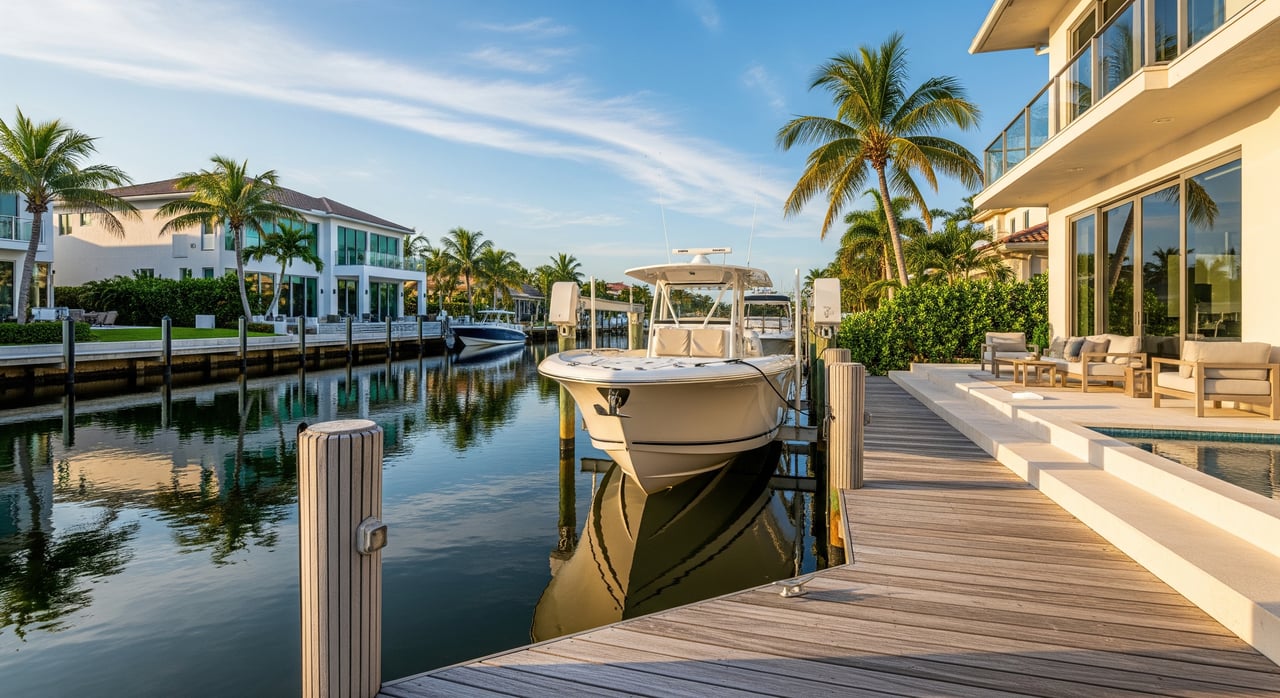
What if your morning started with coffee on a quiet dock, a gentle tide tapping the seawall, and a dolphin cruising by? If you’re picturing canal-front living in Cape Coral, you’re not alone. You want a place where everyday life flows from lanai to boat to sunset, with practical details handled. This guide walks you through what a “day on the water” really looks like, plus the essentials on access, docks, permits, safety, and local amenities. Let’s dive in.
Cape Coral canals at a glance
Cape Coral is famous for an extensive network of residential canals that link many homes to larger waterways. City and tourism sources describe over 400 miles of canals that feed into the Caloosahatchee River and estuaries like Matlacha Pass, giving you options for cruising, fishing, and Gulf adventures. For a high-level feel for the system and community resources, explore the City of Cape Coral and visitor listings on Visit Cape Coral.
Canal-front properties vary. Some offer direct Gulf access, where you can reach the river and Gulf without fixed low bridges or tight turns. Others sit on inland canals tied to the estuary that are generally lock-free in this system, though tides, depth, and canal width still matter. A few small canals can be shallow or narrow, limiting draft and maneuvering space, so match the canal to your boat.
Tides are semi-diurnal here, so you get two highs and two lows most days. Water levels respond to Gulf tides and freshwater flows from upriver, which can influence your schedule and route speeds. To plan your run times and clearances, check regional tide information through NOAA Tides and Currents.
A day on the water in Cape Coral
Morning: dockside calm and quick launches
Mornings are quiet. You might sip coffee on the lanai while egrets patrol the seawall and a neighbor idles past. If you like to keep it simple, cast a line off your dock for inshore species or drop a cast net for bait. Kayaks and paddleboards are perfect early, before heat and midday traffic pick up.
If you’re heading out later, use the morning to stage gear, check lines and lift hardware, and skim the weather and tides. A short engine run to keep systems healthy is common for boat owners, even on non-cruise days.
Midday: marina stops and waterfront bites
By late morning or early afternoon, many residents make quick runs for lunch or errands. Waterfront hubs around Cape Coral and along the Caloosahatchee offer marina-side dining and retail, typically reachable by boat or car. For a sense of marina and dining options, browse the waterfront highlights on Visit Cape Coral.
You might top off fuel or schedule a pump-out at a local marina, or swing by service pros for engine checks and canvas work. Trailer-boat owners often plan these errands around weekday windows to avoid weekend ramp crowds.
Afternoon: cruising, islands, and family time
Afternoons are for flexible fun. A leisurely cruise through the canals, a river run, or a hop toward nearby islands can fit into a half-day. If you’re towing a tube or trying wake sports, choose wider stretches and stay mindful of posted speed zones and no-wake areas.
Families mix it up with swimming in permitted areas, shoreline explorations, and paddle sessions. Timing your return with the tide can help with bridge clearances and calm docking, especially if you’re still getting used to your canal’s quirks.
Evening: sunsets and secure tie-ups
Sunset cruises are a local favorite. Even a short spin near home can reward you with pastel skies and calm water. If you dine out by boat, factor in night lighting on your dock and safe navigation for the return.
Before turning in, secure lines, check lift switches, and glance at the forecast. Neighbor noise tends to peak in summer and on holidays, but many canal streets stay relaxed. You’ll quickly learn your canal’s daily rhythm.
Seasonal rhythms that shape your day
Cape Coral’s boating culture is welcoming and casual, with an easy “wave and pass” vibe. Winter is the most active season as part-time residents return and visitors arrive, which can mean more boat traffic. Hurricane season runs June 1 to November 30, so many owners watch forecasts closely, review storage plans, and keep an eye on seawalls and lifts.
Property know-how for canal homes
Docks, lifts, and seawalls
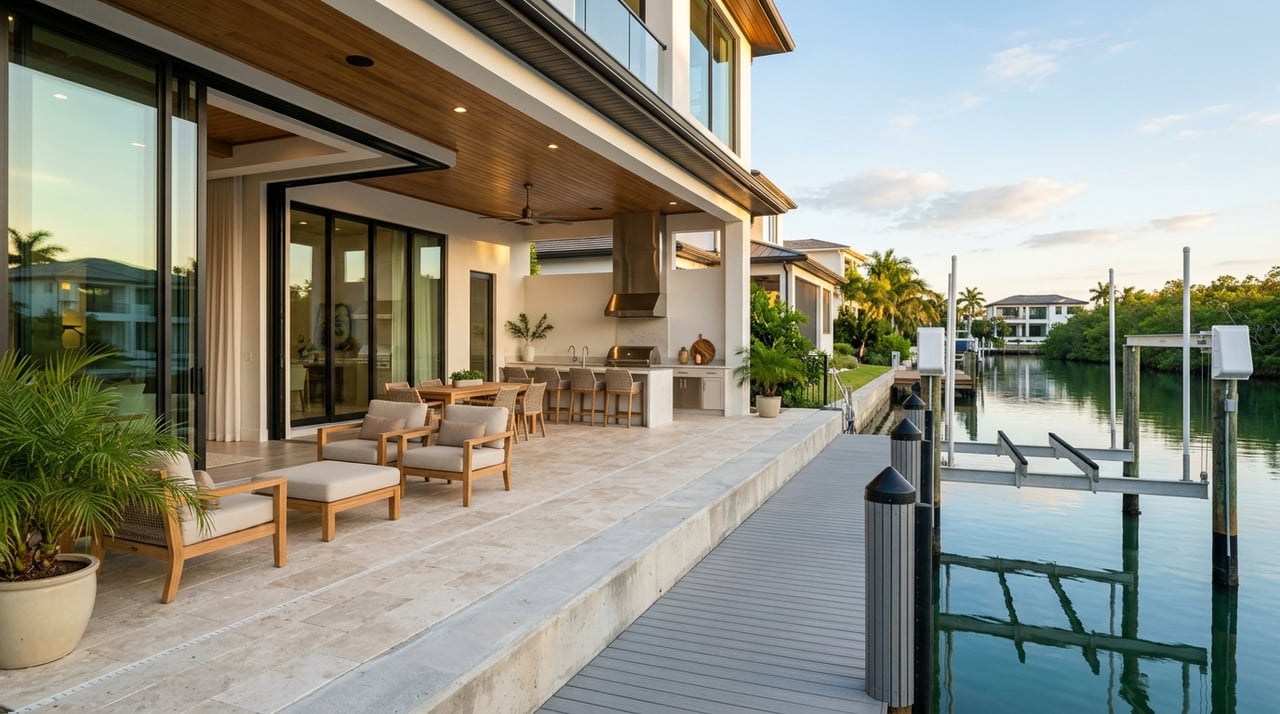
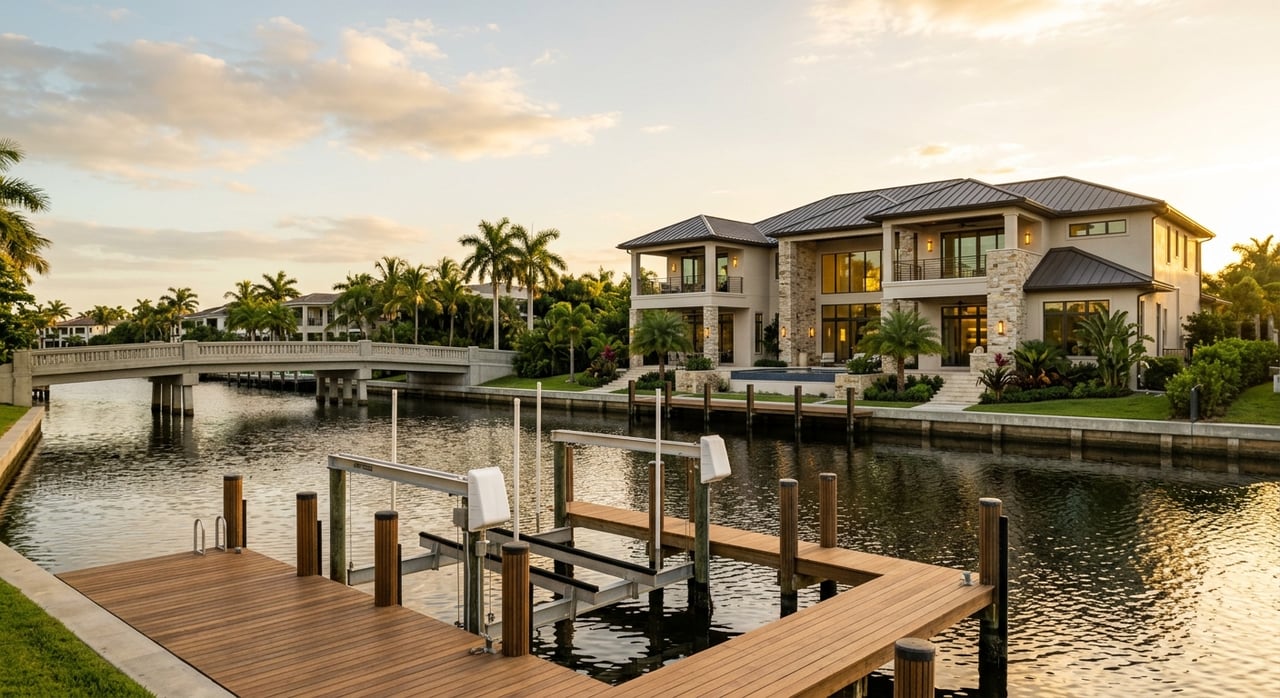
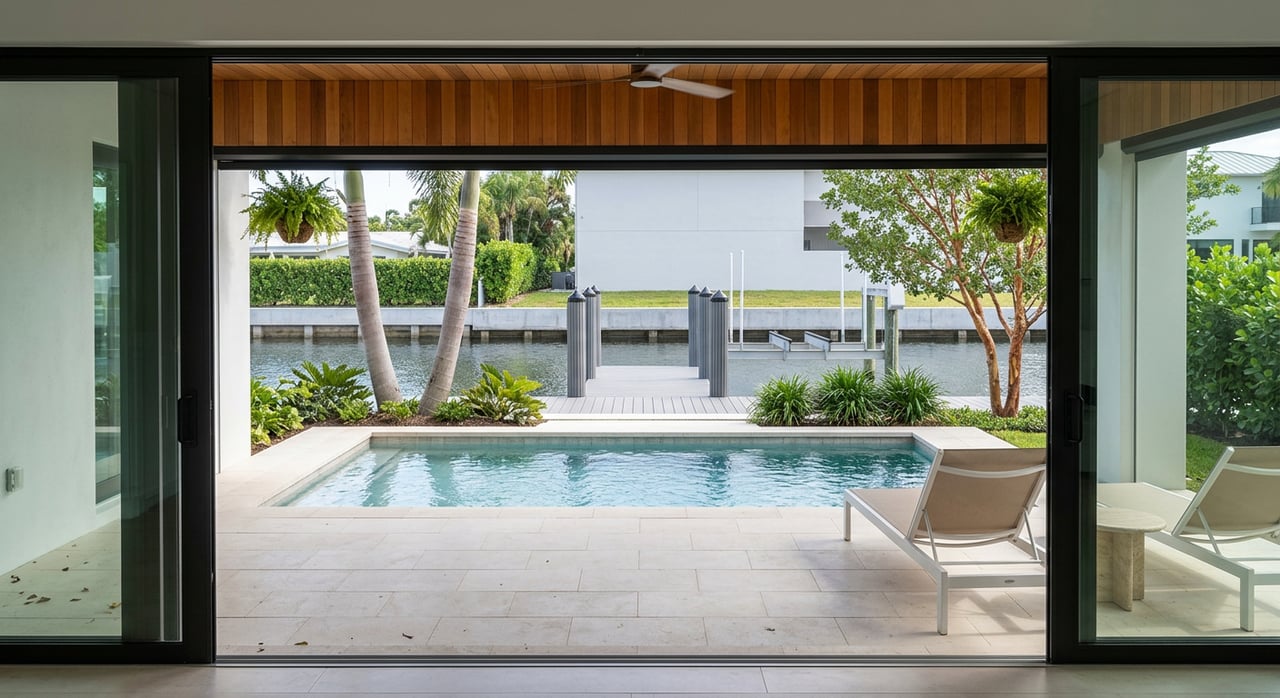
Most canal-front homes feature a private dock, often with a boat lift to reduce hull wear from brackish water. The design and orientation depend on your lot width, canal depth, and the way your seawall is set. Seawalls are standard across canal lots and protect the yard from erosion.
If you’re buying, the seawall’s age and condition are major factors. Repair or replacement can be a significant cost, so get a specialized seawall inspection, plus an assessment of dock structure and lift hardware. Ask for documentation on any repairs or upgrades.
Permits and approvals: who’s involved
When you modify shoreline structures, you may interact with several agencies. Local oversight comes through Lee County and the City of Cape Coral for building and shoreline permits. State and federal rules can also apply, including the Florida Department of Environmental Protection and Florida Fish and Wildlife Conservation Commission for environmental or wildlife considerations.
- Review local rules and start points on Lee County Government and the City of Cape Coral.
- For state-level coastal resources and permitting guidance, consult the Florida Department of Environmental Protection.
- If structures might affect navigable waters, federal review can come into play. Your contractor can advise if Army Corps involvement is required.
Typical permit categories include seawall rebuilds, dock additions, boat lifts, dredging, and any work below the mean high-water line. Confirm the current code and submittals before starting.
Insurance and risk management
Many canal properties sit in FEMA-designated flood zones. If you finance, your lender will often require flood insurance through the NFIP or a private carrier. You can look up a property’s preliminary status on the FEMA Flood Map Service Center and then verify with your insurer.
Coastal Florida homes also need windstorm and hurricane coverage. Underwriters look at elevation certificates, wind-mitigation features, seawall condition, and prior claims when setting premiums. Ask for recent insurance quotes during your due diligence so you budget accurately.
Maintenance and recurring costs
Set aside funds for recurring items like seawall touchups, dock and piling repairs, lift hardware replacements, and pressure washing. Wooden structures may need attention for marine borers and termites. Keep lift motors and cables on a service interval and log every repair.
Utilities vary by neighborhood. Some homes are on city sewer while others still use septic. Confirm your status with the seller or municipality and factor any conversion, assessment, or maintenance costs into your plan.
Recreation, wildlife, and safety
Fishing, paddling, and simple pleasures
Cape Coral life leans outdoors. Inshore species like snook, redfish, and seatrout are part of the draw, and tarpon roll through seasonally. Know seasons, sizes, and bag limits and get familiar with boating and fishing regulations from the Florida Fish and Wildlife Conservation Commission.
Kayaking and paddleboarding are low-effort ways to explore. On easy days, you may spot dolphins and a range of shorebirds right from your backyard. Always yield to larger vessels and stay visible in turns and narrow canals.
Wildlife awareness and protected species
Manatees frequent local waters and have specific protections, so slow down in signed zones and avoid disturbing wildlife. Sea turtles nest seasonally on nearby beaches, where lighting and protection rules help limit impacts.
Boaters should follow FWC guidance on safe distances, speed zones, and handling any wildlife encounters. Review current rules and tips on the FWC website.
Water quality and how to stay informed
Southwest Florida experiences episodic red tide and freshwater algal blooms that can affect air quality, shellfish harvesting, and recreation. Local and state agencies issue advisories and post updates when conditions change.
Before planning a big outing, check county resources for environmental updates and local notices. Start with Lee County Government for county-level information and links to environmental resources.
Boating safety basics
Florida boating laws cover life jacket requirements, operator age and education, right-of-way, and posted speed limits. Expect no-wake zones and shallow areas where courtesy and caution matter. For a refresher before you launch, visit the FWC boating rules and safety pages.
Carry required safety gear, file a float plan for longer trips, and keep a charged VHF or cell aboard. The Coast Guard and local marine patrols operate in the region if you need assistance.
Infrastructure and lifestyle logistics
Marinas, ramps, and services
Cape Coral hosts a mix of public and private marinas, plus waterfront centers with fuel, pump-outs, dining, and social spaces. For a snapshot of marinas, dining, and events, browse Visit Cape Coral.
If you trailer your boat, plan around public ramps and weekend demand. Check county maps and ramp details through Lee County Government. Marine mechanics, canvas shops, fiberglass repair, and storage options are available within Cape Coral and nearby Fort Myers.
Transportation and daily convenience
Many residents use boats for fun and cars for daily errands. Consider garage and driveway space for a trailer, plus any community rules on street parking. Proximity to groceries, healthcare, and Southwest Florida International Airport can vary by neighborhood, which matters if you split time between homes.
Buyer checklist for canal-front homes
Use this quick list during your search and inspections:
- Access type: Gulf access or inland canal. If Gulf access, confirm route, bridge heights, and turns.
- Water depth at the dock at low tide, measured and documented.
- Seawall age and condition with a dedicated inspection report and repair history.
- Permits and as-built documentation for seawall, dock, and lift. Flag any unpermitted work.
- Flood zone designation and recent insurance quotes for flood and wind coverage.
- Easements or setback lines that could affect future dock or lift plans.
- HOA or community rules on docks, lifts, storage, and rentals.
- Canal activity level: through-route or quiet spur. Consider peak season traffic.
- Utilities: sewer vs septic, irrigation source, and nearby pumping stations.
- Local history of water advisories and any nearby discharges affecting the Caloosahatchee.
Ready to live canal-front?
When you match the right property to your boat, your schedule, and your budget, canal-front living in Cape Coral feels effortless. You get morning calm, easy midday runs, and sunset cruises, with the practical details dialed in. If you want help translating lifestyle goals into the right address, connect with Chuck Shepherd to start your Gulf-access search.
FAQs
Do I need a boat to enjoy a Cape Coral canal home?
- No. You can enjoy water views, wildlife, and easy access to waterfront dining without owning a boat, though a boat adds flexibility and fun.
How long does it take to reach the Gulf from a canal home?
- It varies by location, route length, boat speed, tides, and bridge clearances. Many homes connect to the Caloosahatchee and then to Matlacha Pass and the Gulf.
What are the biggest unexpected costs for canal-front owners?
- Seawall replacement and insurance premiums for flood and wind coverage are common surprises. Order a seawall inspection early and request recent insurance quotes.
What permits do I need for a new dock or lift in Cape Coral?
- Permits are typically required through local agencies, with potential state or federal review. Start with Lee County and the City of Cape Coral, and consult FDEP and FWC when applicable.
How do I check tides and safety rules before I launch?
- Review regional tide charts from NOAA Tides and Currents and confirm Florida boating and fishing rules on the FWC website.