If you are selling an Estero waterfront home, you are not just putting a house on the market. You are presenting a property with moving parts that buyers will examine closely, from dock permits to flood documents to seawall condition. In a market that is active but still selective, the sellers who stand out are usually the ones who prepare early, price carefully, and remove surprises before they show up in escrow. Let’s dive in.
Understand the Estero Market
Waterfront sellers in Estero have a real opportunity right now, but not a free pass. In the March 2026 Bonita Springs-Estero market update, closed sales rose 38% year over year, pending sales rose 34%, new listings fell 22%, and Estero sat at 3.6 months of supply, which signals an active market with limited inventory, but still one where buyers compare options carefully. According to the Bonita Springs-Estero REALTORS market update, pricing and presentation still matter.
That is especially true on the water. Buyers may love frontage and views, but they also want proof that the dock, lift, shoreline work, and flood-related paperwork are in order. In other words, your home’s value story needs to be supported by condition, documentation, and realistic pricing.
Start With Waterfront Documents
Before photos, staging, or marketing, gather the records that answer buyer questions fast. On waterfront properties, paperwork can affect both buyer confidence and the path to closing.
Lee County notes that docks and shoreline structures often require permits, including boatlifts, boathouses, fishing piers, boardwalks, mooring pilings, seawalls, riprap, erosion-control structures, and dredging. If any of those apply to your property, collect permit records, final inspections, warranties, and contractor invoices before the listing goes live.
Flood paperwork matters too. Under Florida law on flood disclosure, sellers must provide a flood disclosure at or before contract execution, and the form asks about known flood damage, flood claims, and flood-related assistance. Florida disclosure standards also require sellers to disclose known material facts that affect value, even in an as-is sale.
If your home is in a flood zone, gather any elevation certificate early. Lee County’s flood zone guidance explains that flood zones can affect insurance rates and construction standards, and many lenders require flood insurance in A and V zones. Having that information ready can help buyers make decisions faster.
Check HOA and Condo Requirements
If your Estero waterfront home is in an HOA or condo association, do not wait until you are under contract to review community paperwork. Buyers often want clear answers on fees, transfer costs, approval steps, and any rules that affect boat use, rentals, or exterior changes.
That is where the estoppel certificate becomes important. Florida Realtors explains that estoppels are used to facilitate closing by summarizing what is owed to the association, and they come with validity periods and fee rules under Florida law. Pulling this information early helps prevent last-minute delays.
Prep the Exterior First
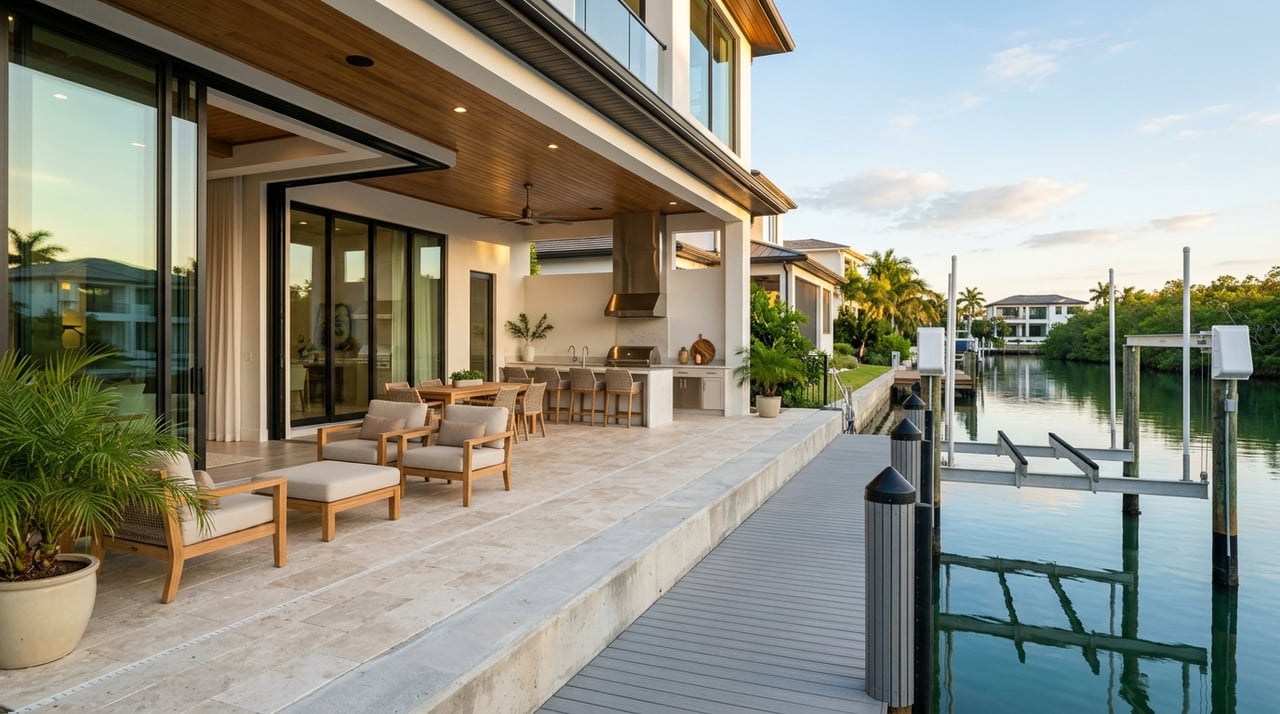
On a waterfront home, exterior prep usually delivers the biggest payoff. Buyers tend to react first to what they can see from the lanai, backyard, dock, and waterline.
Focus your energy on the features that shape the waterfront experience:
- Clean and service the dock
- Confirm the lift is operating properly
- Tidy the seawall area
- Wash windows and outdoor surfaces
- Refresh outdoor lighting
- Remove clutter from water-facing spaces
- Make the lanai and outdoor living areas feel open and usable
When buyers walk in, the view should register right away. Clean sight lines and a polished shoreline area help the home photograph better and feel better in person.
Resolve Permit Issues Early
Open or expired permits can become a major problem once a buyer starts due diligence. That is why permit cleanup belongs in the prep stage, not just the closing stage.
The standard Florida Realtors residential contract gives buyers a path to review open or expired permits and unpermitted improvements. If permit issues exceed the agreed limits in the contract, the transaction may need to be renegotiated or could fall apart.
If you added a dock feature, updated shoreline improvements, or completed exterior work over the years, it is smart to verify the status now. A clean file helps your listing look more credible and makes contract-to-close smoother.
Market the Lifestyle With Proof
Estero waterfront buyers are not only shopping for square footage. They are also buying access to a certain way of living near the water.
The local setting supports that story. Visit Fort Myers highlights the Estero River as part of the Great Calusa Blueway, with connections to places like Koreshan State Historic Site, Mound Key, Lovers Key, and Bowditch Point. That means boating, paddling, beach access, and outdoor recreation are real parts of the buyer appeal.
Still, the strongest waterfront marketing does more than paint a picture. It backs that picture with verified details such as:
- Water frontage
- Dockage details
- Lift capability
- Seawall condition
- Outdoor entertaining space
- Available documents on permits and flood-related items
- Relevant association rules when applicable
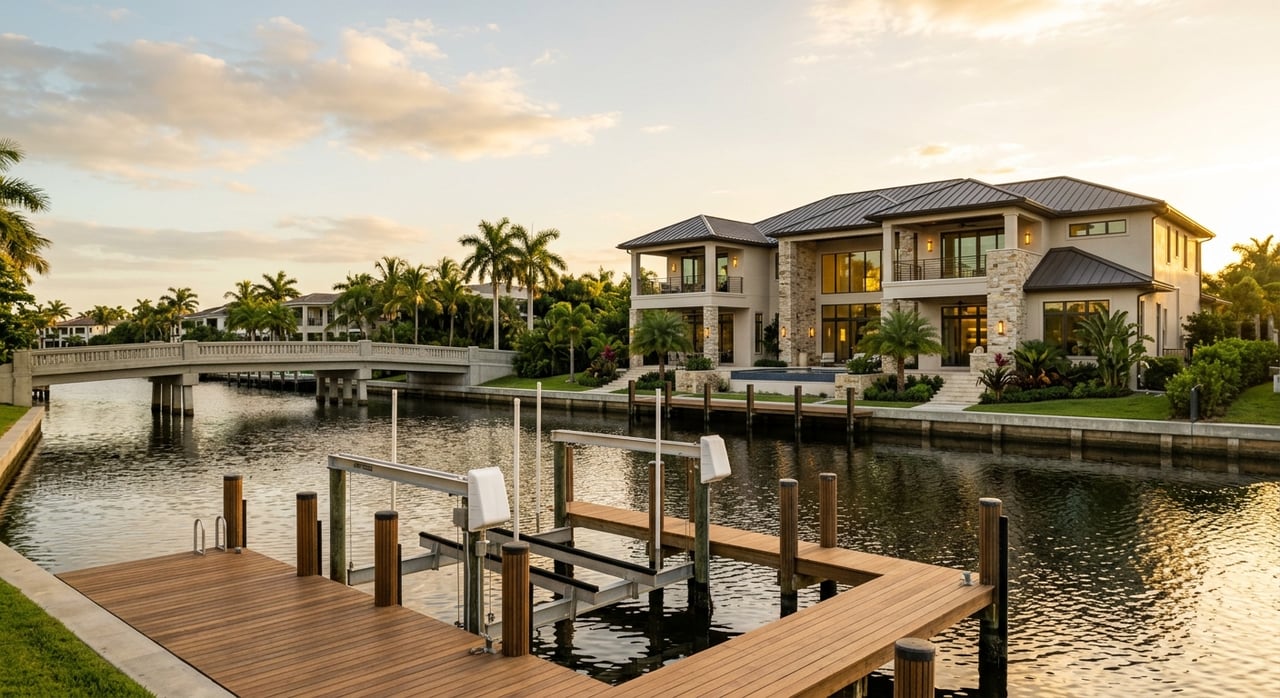
This is also why strong visuals matter. Professional photography, twilight images, and drone imagery where allowed can show how the home connects to the water and outdoor living areas.
Prepare for Buyer Questions
Most waterfront transactions include a handful of repeat questions. If you can answer them clearly from day one, your listing feels more trustworthy and easier to buy.
Expect buyers to ask:
- What flood zone is the home in?
- Is an elevation certificate available?
- Are the dock, lift, seawall, and shoreline structures permitted?
- Have those features been maintained?
- Are there any HOA or condo rules that affect boats or exterior changes?
- Are there open permits, expired permits, or unpermitted improvements?
These questions are not red flags by themselves. They are part of normal waterfront due diligence. The key is being ready with accurate information instead of scrambling after inspections begin.
Expect Waterfront Due Diligence
Once you are under contract, buyers will likely look closely at flood history, insurance concerns, dock and seawall condition, permit records, and title-related access issues. This is where a prepared seller often saves time and stress.
Florida Realtors’ disclosure guidance states that sellers must disclose known facts that materially affect value, even in as-is transactions. That means known issues involving the dock, seawall, drainage, shoreline work, or similar items should be addressed honestly and early, not left for the buyer to discover later.
You should also be ready to provide surveys, easement information, and any recorded restrictions that may affect access or use. Under the Florida Realtors contract, title evidence must support marketable title and legal access.
Know the Main Closing Costs
By the time you reach closing, details matter. On Florida deeds, the state documentary stamp tax is 70 cents per $100 of consideration. The contract may also include prorations for taxes, association fees, insurance, rents, CDD assessments, and other current expenses.
For waterfront sellers, closing can also include costs tied to cleaning up title issues, resolving permit problems, or obtaining required permits for past unpermitted work. If the property is in an association, the estoppel certificate helps confirm dues, assessments, and transfer-related items before the sale is finalized.
The simplest final walkthrough is usually the best one. Agreed repairs are complete, permit issues are resolved, title is clear, and all keys, remotes, codes, and access items are ready to transfer.
Build a Cleaner Sale From Day One
The strongest Estero waterfront sales usually follow the same pattern. The home is priced with discipline, the exterior shows well, the marine improvements are documented, and the seller handles flood, permit, title, and association issues before they become closing problems.
That kind of preparation helps your property stand out in a selective market and gives buyers more confidence in both the home and the process. If you want a local, lifestyle-informed plan for selling your waterfront property in Estero, connect with Chuck Shepherd for concierge-level guidance from prep to closing.
FAQs
What documents should you gather before selling an Estero waterfront home?
- You should gather permit records, final inspections, warranties, contractor invoices, flood-related documents, any available elevation certificate, survey information, and HOA or condo paperwork such as dues, rules, and estoppel details.
What waterfront features matter most when marketing an Estero home?
- Buyers often focus on verified waterfront features like water frontage, dockage, lift capability, seawall condition, outdoor living space, and how clearly the home connects to the Estero River or Estero Bay lifestyle.
What flood information should sellers disclose for an Estero waterfront property?
- Florida requires a flood disclosure at or before contract execution, and sellers should disclose known flood damage, flood claims, flood-related assistance, and other known material facts that affect value.
What permit issues can delay closing on an Estero waterfront home?
- Open permits, expired permits, and unpermitted improvements tied to docks, seawalls, shoreline work, additions, or other exterior improvements can delay closing or trigger renegotiation.
What association items should sellers verify before listing an Estero waterfront property?
- Sellers should confirm dues, assessments, transfer charges, approval requirements, and any rules that affect boat use, rentals, or exterior changes, then order estoppel information when needed for closing.
What costs should sellers expect at closing for an Estero waterfront sale?
- Common items can include documentary stamp tax on the deed, prorated taxes and association fees, title-related costs, and expenses tied to curing permit or title issues before transfer.