A Cape Coral canal home can look like an easy rental win at first glance. Water views, dock space, and boating appeal are powerful draws, but in this market, those features only matter if the numbers, rules, and upkeep all line up. If you are thinking about buying a canal-front property as a long-term rental, this guide will help you evaluate what really drives performance in Cape Coral and what you should verify before you make an offer. Let’s dive in.
Why Canal Homes Need Closer Analysis
Cape Coral is one of the most canal-focused housing markets in Florida. The city notes that it has more than 400 miles of canals, and many offer access to the Caloosahatchee River and the Gulf. That makes water access part of the value, not just a nice backdrop.
Still, a canal home is not automatically a strong rental. The broader Cape Coral-Fort Myers rental market remained soft in 2025, with an estimated 16.0 percent vacancy rate and average apartment rent of $1,861 in the first quarter. In a softer market, your property needs a clear edge to justify premium rent and steady occupancy.
Understand Cape Coral Rental Demand
Look Beyond Traditional Year-Round Renters
Cape Coral rental demand is shaped by more than local workforce housing. HUD reported 3.20 million visitors in 2024, $3.11 billion in visitor spending, and a resident base with 29 percent of people age 65 and older in 2023. The median age was 49.1.
That mix points to demand from retirees, seasonal residents, and relocating households, along with year-round tenants. If you are evaluating a canal home, it helps to think about who would actually value the property’s boating and waterfront setup, not just who needs a place to live.
Boating Access Is Part of the Product
In Cape Coral, boating is a lifestyle feature that can influence rental demand. The city identifies boating as one of the most popular outdoor activities in Southwest Florida, which matters when you are comparing canal homes with inland options.
That said, not every canal location supports the same tenant appeal. A home with practical water access and usable dock features may stand out more than a home that is technically on a canal but less functional for boating.
Check Water Access Before You Price the Rental
Confirm the Canal Type
Before you underwrite any rent premium, confirm exactly what kind of canal access the property offers. In practice, that means verifying whether the home has direct access, freshwater access, or a more limited route.
This step matters because rental appeal can change fast based on navigability. A waterfront address alone does not tell you enough about how the property fits a boating lifestyle.
Verify the Route and Useability
You should also look beyond the listing description and confirm the actual access route. A canal home may sound ideal on paper but perform differently if the route is longer, more limited, or less convenient for the type of boating your likely renter wants.
For investor decisions, this is where local knowledge matters. A property with true water-access value may justify stronger rent than one that simply offers a canal view.
Evaluate the Big-Ticket Waterfront Items
Treat Seawalls and Docks as Core Systems
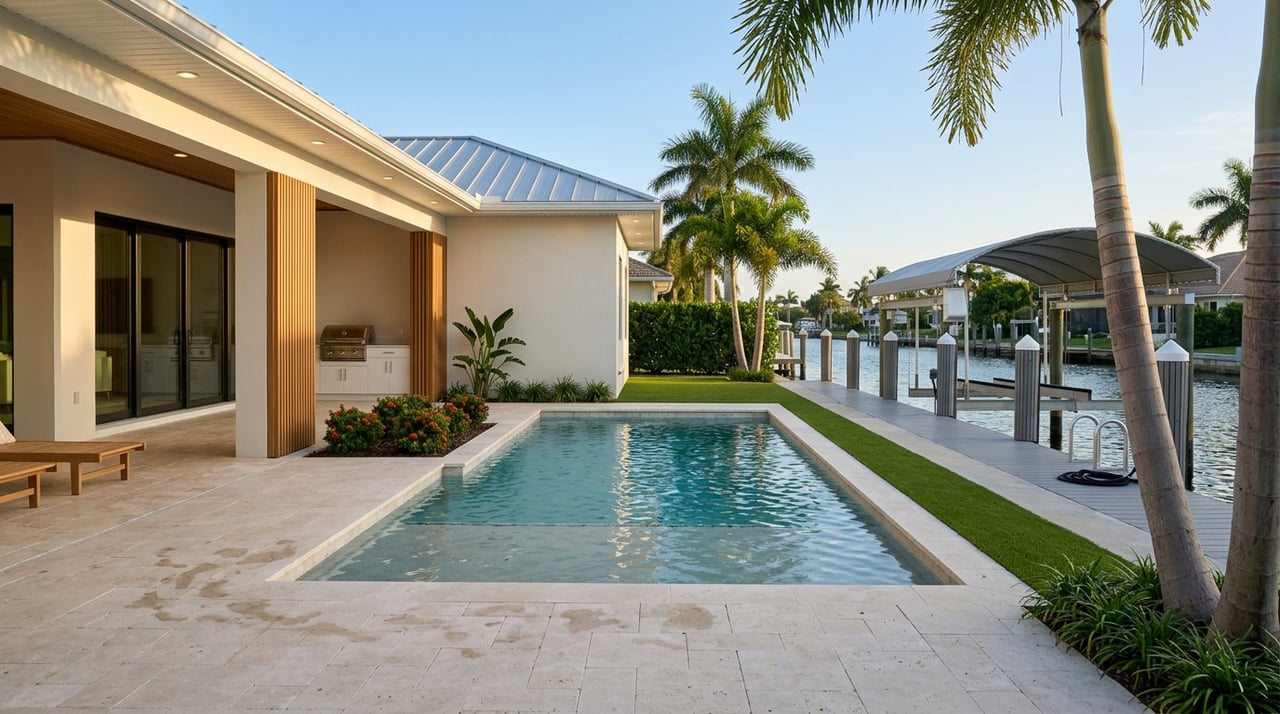
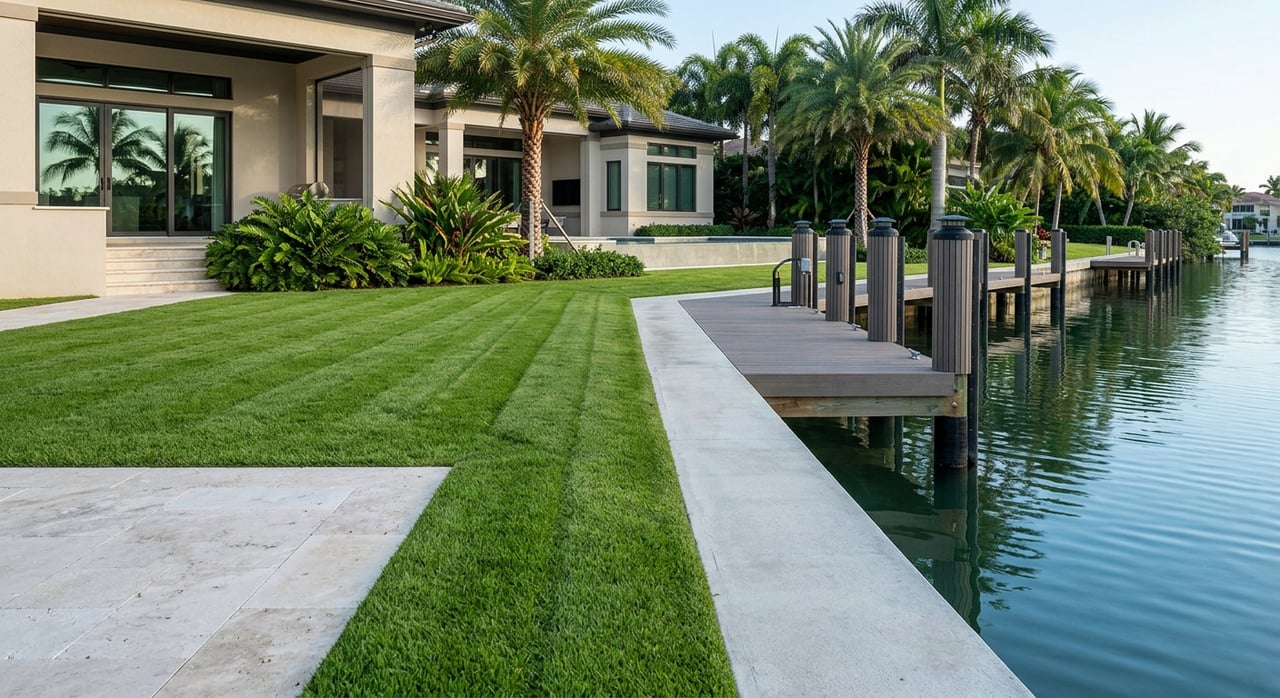
For a canal rental, the seawall, dock, davits, lift, and boat canopy are not side features. They are core investment items that can affect both tenant appeal and your future repair costs.
Cape Coral code states that seawalls on canal-front property are built and maintained at the owner’s expense. The city also requires marine improvements to be structurally maintained so they do not become a nuisance or hazard, and many improvements require city approval and permits.
Budget for Repair and Replacement Risk
If a seawall or dock needs work, that can change your return quickly. A canal home may produce lifestyle value, but it also comes with waterfront maintenance obligations that inland rentals do not.
Before you buy, review condition carefully and factor likely future work into your reserves. This is one of the biggest differences between a canal rental that performs well and one that becomes expensive to hold.
Focus on Features Renters Will Actually Use
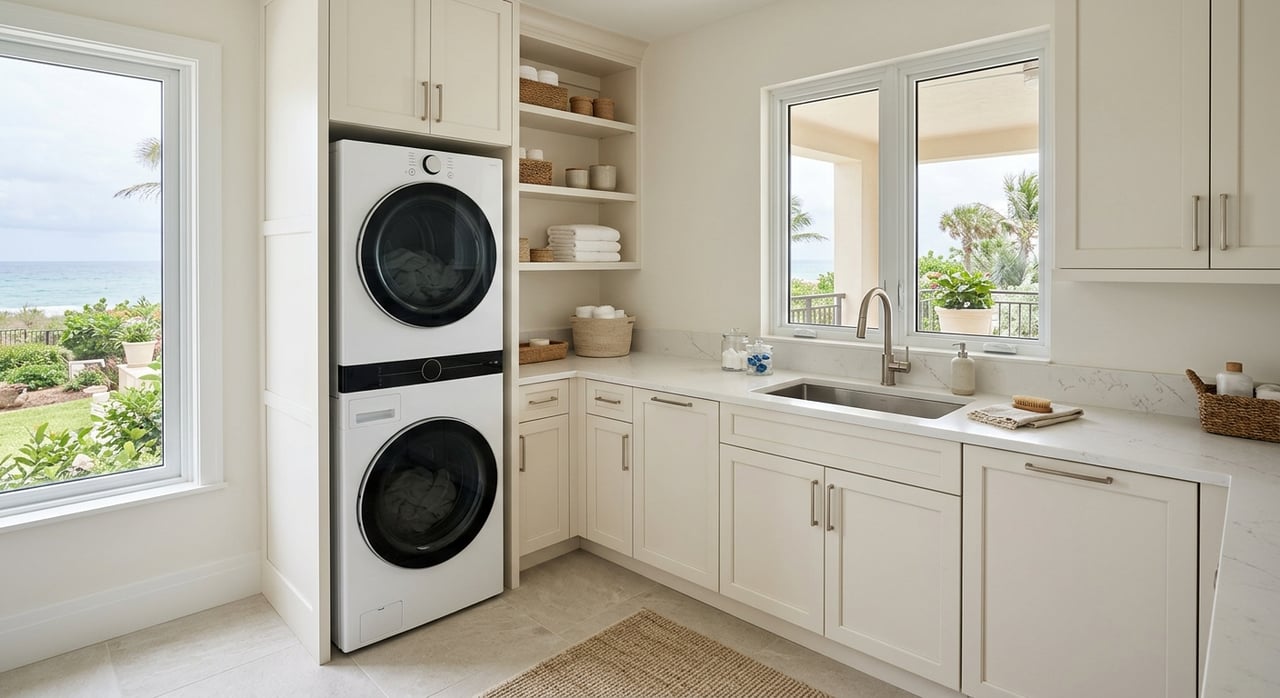
A practical canal rental often outperforms a highly customized one. Useful features like a simple floor plan, outdoor living space, garage or storage, in-home laundry, and manageable landscaping can matter more than flashy upgrades that add cost without broad appeal.
That is especially relevant in a market influenced by older residents, seasonal households, and boating-oriented renters. In many cases, ease of use and low upkeep support stronger long-term satisfaction than luxury finishes alone.
Make Flood Risk Part of Day-One Underwriting
Check Flood Zone and Elevation Data
Flood exposure should be part of your purchase analysis from the start. Cape Coral’s flood guidance allows owners and buyers to check flood risk by address and points users to elevation and flood-risk tools.
Before you move forward, pull the flood-zone information and understand what it may mean for insurance, repairs, and future improvements. This is not a detail to sort out after you are under contract.
Understand Permit Triggers
Cape Coral also states that repairs or substantial improvements in regulated flood zones require permits. That means your renovation plans and your ownership costs may be affected by the property’s flood status.
For investors, this can influence both upfront budgeting and long-term maintenance planning. A canal home can still be a strong opportunity, but only if the flood and permit picture makes sense.
Plan for Insurance and Ongoing Costs
Insurance is a major part of the math for any Cape Coral canal rental. HUD reported that median annual home insurance premiums in the metro rose from $1,886 in 2020 to $3,249 in 2023.
That increase is a reminder to get real quotes early. You should also build reserves for seawall work, dock repairs, pool service if applicable, landscaping, and storm-related downtime.
Cape Coral’s canal system is also part of the city’s stormwater and flood-control infrastructure. The city says dredging is funded through stormwater fees collected on annual property tax bills, which adds another layer of property-specific context to canal ownership.
Know the 2026 Rental Registration Rules
Cape Coral now requires annual rental registration for residential rental property. According to the city, this requirement took effect January 1, 2026.
The city defines long-term rentals as leases greater than six months and short-term rentals as six months or less. Annual registration fees are $35 for long-term rentals and $350 for short-term rentals, and owners must keep contact information current and notify the city within 30 days of changes.
If your plan is a standard long-term rental, this registration framework is still important. It should be part of your operating checklist from the beginning.
Understand Seasonal Rental Tax and Licensing Issues
Six Months Matters in Florida
If you are comparing a long-term rental strategy with a seasonal one, the rules can change quickly. Florida’s Department of Revenue states that rentals or leases of accommodations for six months or less are generally subject to state sales tax and any applicable county transient rental tax.
Lee County says its tourist development tax is 5 percent. Lee County also states that a bona fide written lease longer than six months and one day is exempt from the tourist tax.
Repeated Short Stays Can Add Licensing Requirements
Florida DBPR says a vacation rental includes certain one- to four-family dwellings rented more than three times in a calendar year for periods of less than 30 consecutive days, or advertised that way. Cape Coral’s business-tax guidance adds that vacation rentals must have a Local Business Tax Receipt and a DBPR license.
This is why many investors prefer a true long-term lease when they want lower compliance complexity. Seasonal income may sound attractive, but it often comes with more rules, more filings, and more management demands.
Do Not Overlook Tax Status and HOA Rules
If the property was previously homesteaded, review that status carefully. Florida Statute 196.061 says renting an entire dwelling previously claimed as homestead generally constitutes abandonment of the homestead until the owner physically occupies it again.
If the home is in an HOA or condo association, review the governing documents before closing. Lee County’s tourist-tax office makes clear that owners should confirm rental permissions with the municipality, HOA, condo association, or other governing body, because those restrictions are separate from tax collection.
A Simple Underwriting Checklist
Before you commit to a Cape Coral canal home as a long-term rental, make sure you can answer these questions:
- Does the property have direct, freshwater, or limited canal access?
- Is the seawall in solid condition, and what is the condition of the dock or lift?
- What flood zone is the home in, and what does elevation data show?
- What are the insurance quotes for the property right now?
- Are there HOA or condo rules that limit leasing?
- Does the expected rent hold up when compared with other canal homes, not inland homes?
- Have you budgeted for storm-related downtime, waterfront maintenance, and registration costs?
A canal home can be a smart long-term rental in Cape Coral, but only when the water access is real, the upkeep is manageable, and the compliance path is clear. In a market with softer rental conditions, careful underwriting matters more than the waterfront label.
If you want help evaluating a Gulf-access or canal-front investment in Cape Coral, Chuck Shepherd offers local, hands-on guidance built around waterfront property details that can materially affect your decision.
FAQs
What makes a Cape Coral canal home a better long-term rental?
- A stronger long-term rental usually combines functional canal access, solid seawall and dock condition, manageable flood and insurance costs, and practical features that support low-maintenance living.
How should you compare a Cape Coral canal home to other rentals?
- You should compare it to other canal homes with similar access, condition, and waterfront features rather than to inland homes or general apartment rents.
What are Cape Coral’s rental registration rules for long-term rentals?
- Cape Coral requires annual rental registration for residential rental property, and the city classifies long-term rentals as leases longer than six months with a $35 annual fee.
When does a Cape Coral rental trigger tourist tax in Lee County?
- Rentals or leases for six months or less can trigger state sales tax and Lee County’s 5 percent tourist development tax, while a bona fide written lease longer than six months and one day is exempt from the tourist tax.
Why is flood risk important when buying a Cape Coral canal rental?
- Flood risk affects insurance costs, permit requirements, and future repair or improvement planning, so it should be reviewed before you make an offer.
What waterfront features should you inspect before buying a Cape Coral rental property?
- You should closely inspect the seawall, dock, lift, davits, and overall canal access because those items affect both renter appeal and long-term ownership costs.