You can love Sanibel and still feel torn between two very different ways to own there. A condo can simplify day-to-day upkeep, while a cottage can give you more privacy and control. If you are trying to decide which one fits your lifestyle, budget, and long-term plans, this guide will help you compare the tradeoffs that matter most on Sanibel. Let’s dive in.
Why the choice matters on Sanibel
Sanibel is not a place where you choose a property style based on looks alone. Because it is a coastal barrier island near sea level, flood exposure, insurance, access, and repair planning are part of the ownership decision.
The city notes that Sanibel can flood from heavy rain and high tides, and flood zones are mapped through FEMA and Forerunner. The city also has a Class 5 CRS rating, which currently provides a 25% flood insurance discount. That makes due diligence important whether you buy a condo or a cottage.
Price is also part of the conversation. Current public listing data shows condos for sale at a median listing price of about $795,000, while Sanibel single-story homes, which are a useful directional stand-in for cottage-style detached homes, show a median listing price of about $995,000. Redfin also reported a broader Sanibel median sale price of $1.02 million in March 2026, with homes averaging 99 days on market.
Condo living on Sanibel
A condo is often the better fit if you want a more lock-and-leave ownership experience. For many seasonal owners and second-home buyers, that lower direct maintenance burden is a major advantage.
With a condo, shared ownership usually means shared responsibility for major exterior and building systems. In Florida, condominium associations must maintain reserves for major components such as roofs, structure, plumbing, electrical systems, waterproofing, exterior painting, windows, and exterior doors. Assessments are generally made at least quarterly.
That structure can make ownership feel more predictable, but it also means association governance matters a lot. You are not just buying the unit. You are also buying into the budget, reserve funding, rules, and decision-making process of the association.
What condo buyers should watch closely
Florida law requires certain condominium disclosures, including leasing restrictions and other use covenants. On Sanibel, that matters because rental use is regulated at the city level and may be restricted even further by condo documents.
The city says rental properties need a rental dwelling license and a business tax receipt. It also states that most homes may only be rented for a minimum of four consecutive weeks. Even if the city allows a rental, the condo declaration or bylaws may be stricter, so your rental plans need to be checked before you buy.
For some buildings, there is another layer to review. Florida requires milestone inspections and structural integrity reserve studies for certain condominium buildings that are three habitable stories or higher. Those rules do not apply to every property, but they can affect costs, planning, and the timing of future work in qualifying buildings.
When a condo may fit you best
A Sanibel condo may be the stronger match if you want:
- Lower direct maintenance
- A seasonal or part-time home that is easier to leave unattended
- Shared responsibility for exterior upkeep
- A purchase price that may sit in a lower range than many detached homes
- A property that supports your lifestyle, provided the association rules align with your plans
If you want income potential, the keyword is alignment. Your goals need to fit both Sanibel’s rental rules and the condo association’s restrictions.
Cottage living on Sanibel
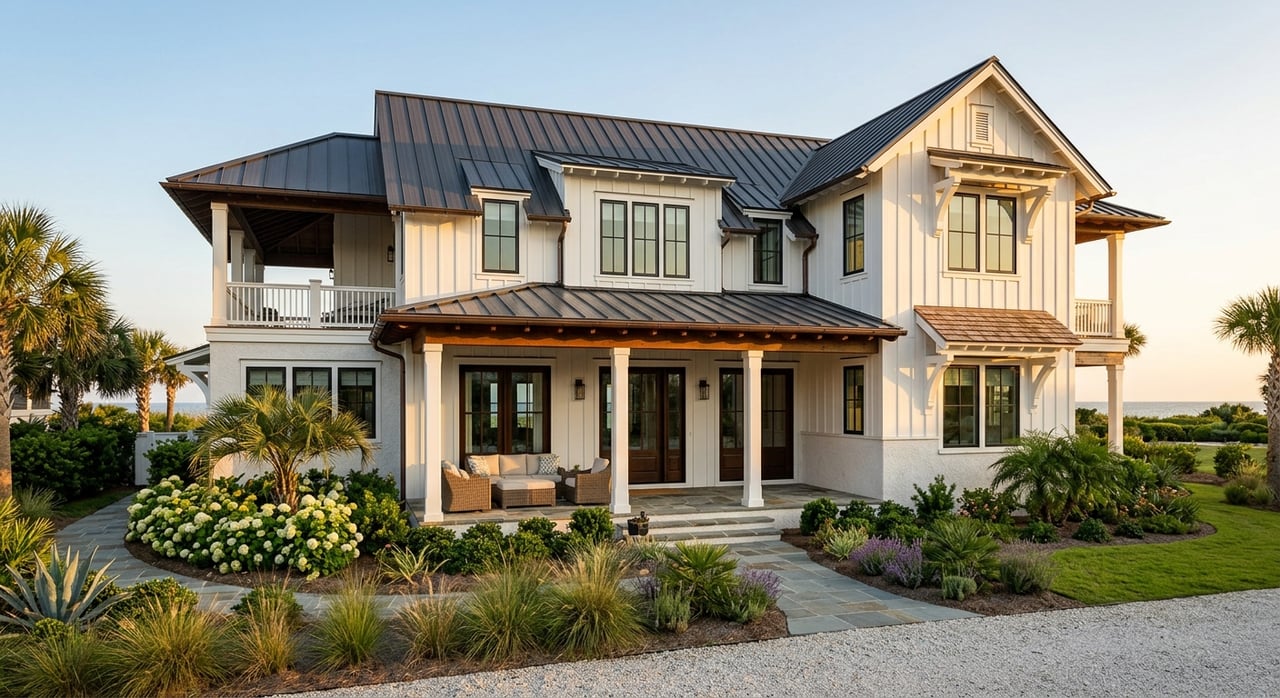
A cottage-style detached home often appeals to buyers who want more space, privacy, and direct control. If you enjoy having your own yard, making exterior decisions more independently, or simply not sharing walls and common elements, a cottage may feel like a better fit.
That freedom comes with more responsibility. As the owner of a detached home, you are typically handling more of the maintenance, insurance, and storm-readiness planning yourself.
On Sanibel, that is a meaningful consideration. The city’s flood guidance identifies common flood zones such as AE, AO, VE, and X, and explains that substantial repair or improvement work can trigger the FEMA 50% rule. In other words, for detached-home buyers especially, flood zone and future improvement plans should be part of the conversation from the start.
What cottage buyers should watch closely
Detached homes do not fall under the condo-specific reserve and milestone-inspection framework when they are single-family dwellings with three or fewer habitable stories. That can mean fewer layers of shared governance, but it does not mean fewer ownership duties.
You will want to understand the property’s exact flood zone, any elevation certificate, likely insurance costs, and what storm-related repairs or upgrades could involve later. Those are core ownership questions on Sanibel, not side issues.
It is also important not to assume that detached means rule-free. A cottage can still be subject to an HOA or neighborhood covenant structure, so you should still review any governing documents that apply.
When a cottage may fit you best
A Sanibel cottage may be the stronger match if you want:
- More privacy
- Outdoor space
- More direct control over exterior decisions
- A detached-home feel that supports full-time or longer seasonal use
- Flexibility in how you enjoy the property, subject to any neighborhood rules
If your ideal Sanibel ownership experience includes space to spread out and more independence in property decisions, a cottage can be very appealing.
Access, boating, and beach use
On Sanibel, lifestyle often goes beyond the walls of the property. If boating, beach time, or bay access matters to you, do not assume the condo-versus-cottage label tells the full story.
The city maintains seven public beach parks and a public boat ramp. Beach parking is managed by permits or a $5 hourly mobile-pay system, while boat-ramp parking is $40 per weekday or permit-only on weekends and holidays. Residents and property owners can also purchase annual parking permits, including beach-only and beach-and-boat-ramp options.
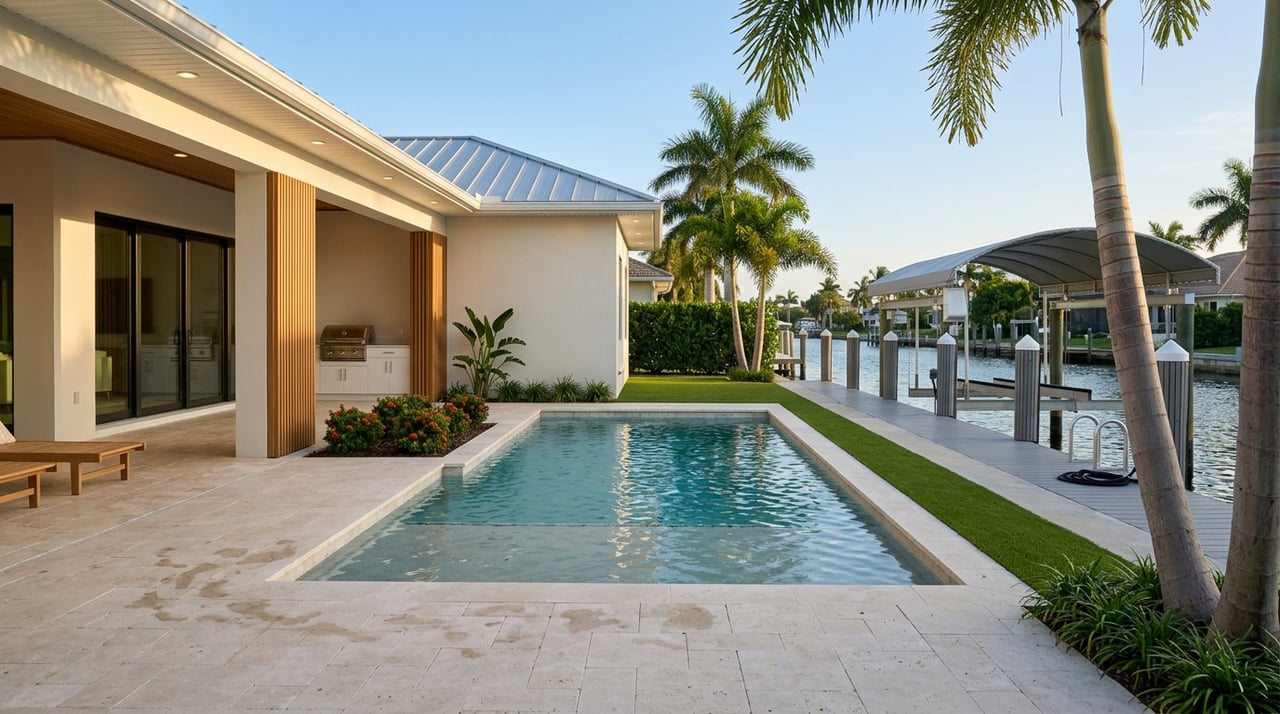
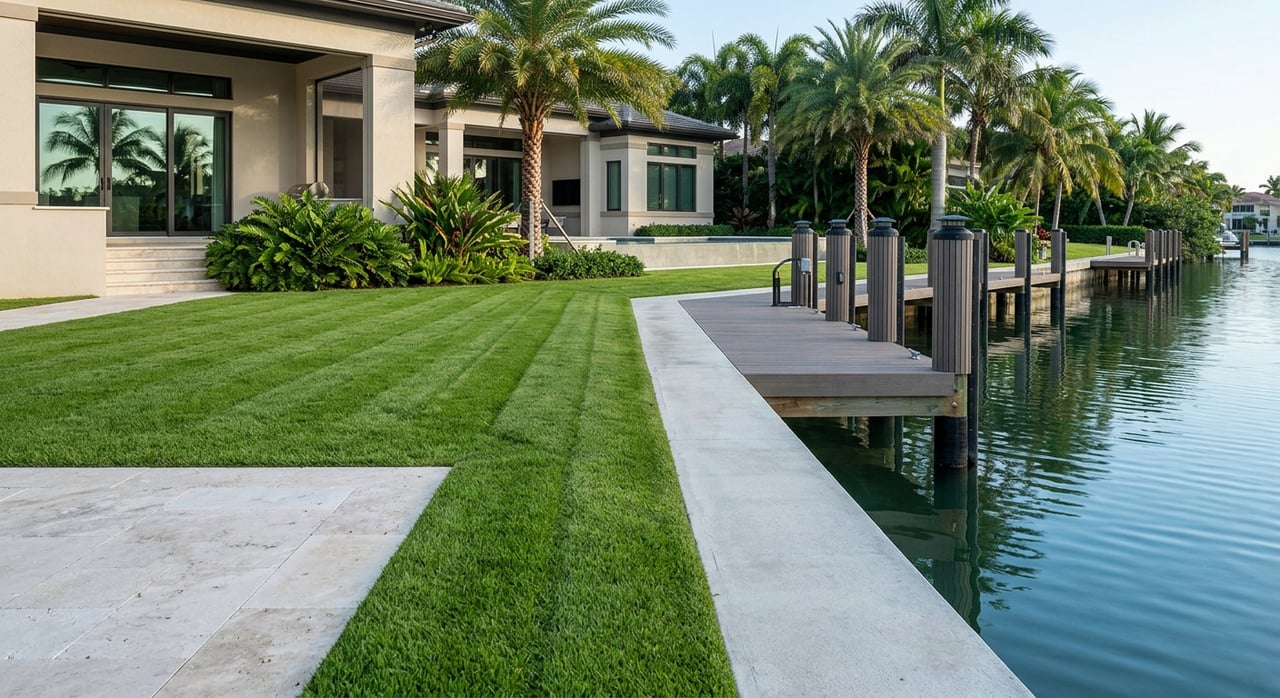
For buyers who care about waterfront living, the practical details matter more than the property type alone. Frontage, dock rights, nearby launch access, parking rules, and permit options should all be verified separately.
Side-by-side: condo or cottage?
| Factor | Condo | Cottage |
|---|---|---|
| Upkeep | Lower direct maintenance | More owner responsibility |
| Governance | Strong association role | More direct control, but possible HOA rules |
| Privacy | Shared building environment | More privacy and separation |
| Rental review | Must check city rules and condo docs | Must check city rules and any neighborhood restrictions |
| Flood and insurance review | Important | Important, often more hands-on |
| Typical price direction | Lower median listing price in current data | Higher median listing price in current data |
This comparison is directional, not absolute. A well-run condo can offer excellent convenience, and a carefully chosen cottage can give you the privacy and flexibility many buyers want.
How to decide which fits you
If you are stuck between the two, start with your lifestyle before you start with finishes or floor plans. The better choice is usually the one that supports how you will actually use the property most of the time.
Ask yourself:
- Do you want a lock-and-leave setup or hands-on ownership?
- How important are privacy and outdoor space?
- Are you comfortable reviewing budgets, reserves, and association rules?
- Do you plan to rent the property, and if so, do the rules support that plan?
- How important are boat access, beach parking, or permit options to your routine?
- Are you prepared for the insurance and flood-readiness questions that come with island ownership?
On Sanibel, the highest-value due diligence items are the exact flood zone, elevation certificate, insurance costs, rental eligibility, beach and boat access, and any association rules or special assessment history. Those checks are part of the core decision, whether you buy a condo or a cottage.
The bottom line for Sanibel buyers
There is no one-size-fits-all answer on Sanibel. A condo may be the better fit if you want convenience, shared maintenance, and a seasonal-friendly setup. A cottage may be the better fit if you want privacy, outdoor space, and more direct control over the property.
What matters most is finding the option that matches your day-to-day lifestyle, your comfort with upkeep, and your plans for use over time. If you want a local, practical read on how a specific Sanibel property fits your boating, beach, or second-home goals, Chuck Shepherd can help you sort through the details with a concierge-level approach.
FAQs
What is usually more affordable on Sanibel, a condo or a cottage?
- Current public listing data shows Sanibel condos at a median listing price of about $795,000, while single-story homes, used as a directional stand-in for cottage-style detached homes, are around $995,000.
What rental rules matter for Sanibel condos and cottages?
- The city says rental properties need a rental dwelling license and business tax receipt, and most homes may only be rented for a minimum of four consecutive weeks, while condo documents may impose stricter limits.
What flood questions should Sanibel buyers ask before purchasing?
- You should verify the exact flood zone, review any elevation certificate, estimate insurance costs, and understand how future repairs or improvements could be affected by local flood guidance and the FEMA 50% rule.
What makes a Sanibel condo different from a cottage in day-to-day ownership?
- A condo usually offers lower direct maintenance but includes association governance, while a cottage gives you more privacy and control but also more responsibility for upkeep and insurance.
What should boaters verify when buying on Sanibel?
- You should confirm practical details like dock rights, frontage, launch access, beach and boat-ramp parking rules, and whether annual permit options fit how you plan to use the property.