If you are torn between the ease of a resort property and the privacy of a standalone island house, Captiva makes that choice especially important. This is a small barrier island with limited access, tight parking rules, and a very different ownership experience depending on what you buy. Understanding those differences can help you match your purchase to the way you actually want to live, visit, or hold property here. Let’s dive in.
Why Captiva ownership feels different
Captiva is an unincorporated community in Lee County, and the island operates with real physical limits. Lee County planning materials describe Captiva as low density with limited commercial development and traffic, and they connect those limits to evacuation realities.
That matters because Captiva Drive is the island’s sole evacuation route. It also matters because public parking on Captiva streets is prohibited except in limited posted areas, which shapes how easy it is to move around if your property does not include built-in parking or internal transportation.
In other words, this is not just a style choice between a condo-like setting and a house. On Captiva, the decision is often between a managed resort ecosystem and a more self-directed private home experience.
What resort-style ownership means
On Captiva, South Seas is the clearest example of resort-style ownership. South Seas describes itself as a 330-acre retreat and wildlife preserve, with amenities tied to owners with access and guests who book directly.
That setup can create a very convenient ownership experience. Instead of building your stay around off-site logistics, many day-to-day needs are handled within the property’s own amenity system.
Amenities are part of the appeal
According to South Seas, Club Captiva amenities include:
- Captiva Landing
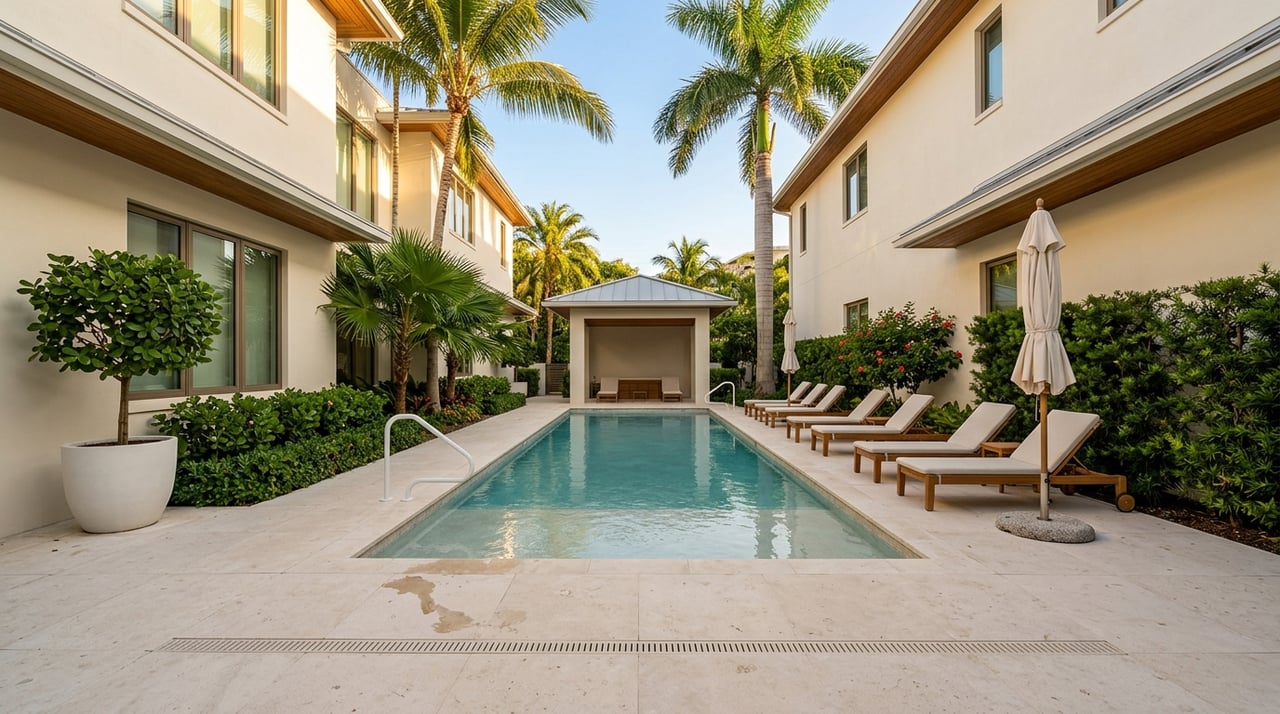
- Resort pools
- The Clutch golf
- Restaurants
- Fitness center
- Beach services
- Water sports
- Trolley service
- Cart and bike rentals
South Seas also states that its resort fee covers beach access and amenities, parking, trolley service, internet, and access to pools and dining. For many second-home buyers, that kind of bundled setup is the biggest advantage of resort-style ownership.
Property types can vary inside a resort
A common assumption is that resort-style living only means attached units, but that is not always true. South Seas markets different property formats, which shows how this category can be more flexible than many buyers expect.
For example, its Captiva Resort Villas are described as two-bedroom residences with kitchens, screened balconies, laundry facilities, and close access to the beach, trolley stop, shops, and marina. These units are attached to other units, so they tend to fit buyers looking for a lower-maintenance layout with close access to amenities.
At the same time, South Seas also markets Homes of Distinction, which are detached-style private homes with Gulf or Pine Island Sound views and private pools or hot tubs. That means you may be able to get a more private home feel while still staying inside a resort amenity structure.
What a private island home means
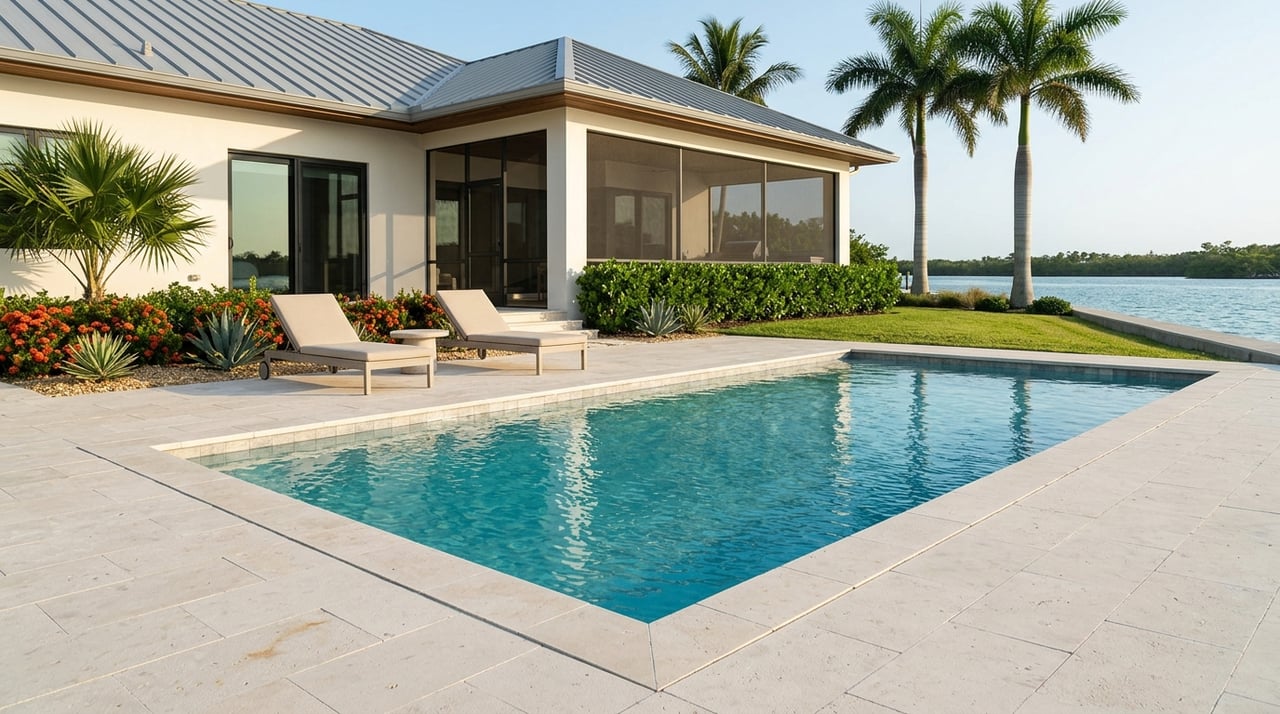
A private island home on Captiva usually gives you more privacy and more direct control over the property. You are less tied to shared spaces, common guest flow, or resort access rules.
That added independence also comes with more responsibility. In unincorporated Lee County, Community Development oversees zoning, permitting, inspections, contractor licensing, and code enforcement, and the county requires permits for renovations, remodels, additions, and many storm- or flood-related repairs.
Ownership is more hands-on
If you buy a standalone home, you will likely spend more time thinking through the practical side of ownership. That can include repair timelines, permitting, maintenance planning, and making sure you understand what is required if the property needs work after a storm event.
Lee County also notes that flood-zone parcels may require added review and documentation before repairs can move forward. On a barrier island, that is a major due diligence point and one reason private-home ownership often feels more self-managed.
Flood risk deserves close attention
Flood risk is central on Captiva. FEMA states that homeowners insurance and renters insurance do not cover flood damage, and lenders may require flood insurance for homes in high-risk flood areas.
For buyers, that means flood-zone status and insurance requirements should be confirmed early. It is not just a closing detail. It affects carrying costs, risk planning, and your comfort level with the property long term.
Lifestyle differences to weigh
Your best fit often comes down to how you want to spend your time on Captiva. Some buyers want turnkey convenience and shared amenities, while others want seclusion and full control.
Neither approach is automatically better. The right choice depends on your routines, priorities, and tolerance for hands-on ownership.
Resort-style living favors convenience
If you want a property that feels easy to use from day one, resort-style ownership can be appealing. Parking, internal transportation, beach access, and on-site recreation may already be built into the experience.
That can be especially helpful for second-home buyers who want a simpler arrival and departure routine. It can also appeal to owners who want a stay that feels more like a vacation from the moment they get there.
Private homes favor privacy and control
If your priority is space, quiet, and making the property fully your own, a private island home may be the better match. You will generally have fewer shared spaces and more say over how the home is used and maintained.
That said, more control usually means more decisions. You may need to coordinate maintenance, repairs, insurance questions, and property oversight with less built-in support than a resort setting offers.
Access and parking matter more on Captiva
On many coastal markets, parking is a side note. On Captiva, it is part of the ownership equation.
Lee County prohibits public parking on Captiva streets except in limited posted areas. Public beach access does exist, including Alison Hagerup Beach Park at the end of San-Cap Road behind South Seas, but the beach parking lot requires a fee.
Built-in access can change the experience
South Seas states that self-parking is included in the resort fee and that its trolley and cart system helps guests move around the property. That kind of internal transportation can make everyday use feel much smoother.
If you are comparing that with a private home, think carefully about how you will access the beach, where guests will park, and how convenient daily movement will feel during busy periods. On Captiva, those details can shape your experience more than buyers expect.
Rental use is not one-size-fits-all
Many buyers looking at Captiva also think about future rental use. That is reasonable, but it is important not to assume every property supports the same rental plan.
Resort-style properties are often easier to picture as turnkey vacation stays because the amenity package is already part of the guest experience. A private home may still be very appealing to renters, but that appeal often depends more on the home’s location, views, condition, and how the property is managed.
Confirm rental rights before you buy
Before you count on any rental strategy, verify:
- Whether rentals are permitted
- Any minimum stay rules
- Whether there is a required management structure
- What fees apply
- Who handles cleaning, maintenance, and repairs
Those answers should be confirmed in the deed, association documents, and any management agreement. On Captiva, assumptions can lead to expensive surprises.
A simple way to compare both options
Here is a practical side-by-side look at how many buyers frame the choice:
| Factor | Resort-Style Community | Private Island Home |
|---|---|---|
| Daily experience | More bundled and convenience-focused | More independent and self-directed |
| Amenities | Often built into ownership access | Varies by property |
| Privacy | More shared spaces | More personal space and control |
| Parking and movement | May include parking and internal transport | Depends on the property and off-site access |
| Maintenance | Often more structured | Usually more owner-managed |
| Rental setup | Often easier to position as turnkey | Depends on location, condition, and management |
| Due diligence focus | Amenity access, fees, transfer rights | Flood zone, insurance, permits, repairs |
Questions to ask before choosing
Before you decide between a resort-style property and a private island home on Captiva, make sure you get clear answers to these questions:
- What amenities transfer with ownership?
- What fees are mandatory?
- Is the property in a flood zone?
- What insurance is required?
- Are short-term rentals allowed?
- Who handles maintenance, cleaning, and repairs?
- What parking comes with the property?
- How easy is beach access in daily use?
These are not minor details on Captiva. Because the island has limited access, parking constraints, and county-level oversight for permitting and floodplain matters, the ownership structure behind the property can affect your experience as much as the floor plan or view.
Choosing the best fit for your goals
If you want a more turnkey coastal experience with built-in amenities and simpler day-to-day logistics, a resort-style community may fit your goals well. If you want more privacy, more autonomy, and a property that feels distinctly your own, a private island home may be the stronger match.
The key is to look past the listing photos and focus on how the property will actually function for you. On Captiva, the smartest purchase is usually the one that aligns with your lifestyle, your maintenance expectations, and your comfort with island-specific due diligence.
If you want help comparing Captiva properties through a lifestyle and ownership lens, Chuck Shepherd can help you sort through the details and find the right fit for the way you want to live on the water.
FAQs
What is the difference between resort-style and private home ownership on Captiva?
- Resort-style ownership usually offers bundled amenities, built-in parking benefits, and a more managed experience, while private home ownership usually offers more privacy and control with more hands-on responsibility.
What amenities can come with a resort-style property on Captiva?
- At South Seas, amenities described by the resort include pools, restaurants, fitness facilities, beach services, water sports, trolley service, and cart and bike rentals, depending on owner access and booking structure.
What should you verify before buying a private island home on Captiva?
- You should confirm flood-zone status, insurance needs, permitting considerations, repair requirements, rental rules, maintenance responsibilities, and any property-specific access or parking limitations.
How does parking work on Captiva for homeowners and guests?
- Lee County prohibits public parking on Captiva streets except in limited posted areas, and public beach parking at Alison Hagerup Beach Park requires a fee, so property-specific parking access matters.
Can you rent out a Captiva resort-style property or private home?
- Possibly, but you should verify rental rights, minimum stay rules, fees, and management requirements in the deed, association documents, and any management agreement before buying.
Why is flood insurance such an important issue for Captiva homes?
- FEMA says standard homeowners or renters insurance does not cover flood damage, and lenders may require flood insurance in high-risk flood areas, which can affect both risk planning and ownership costs.